


Landing a full-time job right after graduation can be overwhelming, especially when more than 65 percent of recent Canadian graduates say they struggle with the process. Many find that American resume advice often misses the mark for the Canadian job market, leading to missed opportunities and confusion. This guide unpacks practical strategies for crafting effective job application materials and building a structured job search process tailored for success in Canada.
Table of Contents
- Update Your Resume for Canadian Employers
- Craft a Tailored Cover Letter for Each Job
- Optimize Your LinkedIn Profile and Online Presence
- Set Clear Job Search Goals and Priorities
- Research Target Companies and Industries
- Network Effectively Online and In Person
- Track Applications and Follow Up Strategically
Quick Summary
| Key Insight | Detailed Explanation |
|---|---|
| 1. Customize Your Resume | Tailor your resume for each job application by using relevant keywords and aligning your experiences with the job description. |
| 2. Create Tailored Cover Letters | Write personalized cover letters for each application to highlight your fit for the specific role and company culture. |
| 3. Optimize Your Online Presence | Update your LinkedIn profile with a professional photo, compelling headline, and a detailed summary that captures your career narrative. |
| 4. Set Clear Job Search Goals | Define specific short-term and long-term career objectives to guide your job search and maintain focus in your efforts. |
| 5. Follow Up Strategically | Implement a structured follow-up system for applications to keep communication open and express continued interest in potential roles. |
1. Update Your Resume for Canadian Employers
Your resume is your professional passport in the Canadian job market, and crafting it to meet local standards can dramatically improve your chances of landing an interview. Canadian employers have specific expectations that differ from resumes in other countries, making strategic customization critical.
Resume formatting in Canada prioritizes clarity, professionalism, and comprehensive details about your professional background. The Government of Canada resume template emphasizes providing complete information about your education, work experience, and skills in a clean, organized manner.
Key strategies for updating your resume for Canadian employers include:
Adopt a Chronological Format
- List work experiences and education in reverse chronological order
- Highlight most recent roles and achievements first
- Provide specific dates for each position and educational credential
Emphasize Specific Achievements
- Use quantifiable metrics to demonstrate your impact
- Include specific numbers and percentages when describing accomplishments
- Focus on results rather than just listing job responsibilities
Customize for Each Application
- Tailor your resume to match specific job descriptions
- Align your skills and experiences with the employer’s requirements
- Use keywords from the job posting to pass applicant tracking systems
Include Relevant Personal Details
- Add your full contact information
- Mention citizenship or work authorization status
- Consider adding professional social media profiles like LinkedIn
Maintain Professional Formatting
- Use standard fonts like Arial or Calibri
- Keep font size between 10-12 points
- Ensure consistent spacing and alignment
- Limit resume to 2 pages maximum
Proofread Thoroughly
- Check for spelling and grammatical errors
- Ask a professional contact to review your document
- Ensure consistent formatting and professional appearance
Follow Canadian English Standards
- Use Canadian spelling conventions
- Write dates in DD/MM/YYYY format
- Use metric measurements if applicable
Pro tip: Create multiple resume versions targeting different industries or job types to maximize your application success.
2. Craft a Tailored Cover Letter for Each Job
A cover letter is your personal introduction to potential employers, serving as a critical communication tool that goes beyond your resume. In the competitive Canadian job market, a generic cover letter will quickly find its way to the rejection pile.
The art of crafting a tailored cover letter involves strategic customization and deep research. Cover letter strategies emphasize the importance of creating a unique narrative that connects your professional experience directly to the employer’s needs.
Research the Company Thoroughly
- Investigate the organization’s mission and values
- Review recent company news and achievements
- Understand the specific role and its requirements
Structure Your Cover Letter Professionally
- Start with a compelling opening paragraph
- Highlight 2-3 key achievements relevant to the job
- Demonstrate how your skills solve the employer’s specific challenges
Personalize Your Approach
- Address the hiring manager by name
- Reference specific aspects of the job description
- Show genuine interest in the company’s work
Showcase Quantifiable Achievements
- Use concrete numbers and percentages
- Describe specific outcomes from previous roles
- Link past achievements to potential future contributions
Align Your Language with Job Requirements
- Mirror keywords from the job posting
- Use industry specific terminology
- Demonstrate you understand the role’s nuances
Demonstrate Cultural Fit
- Highlight shared values with the organization
- Show understanding of the company’s work environment
- Explain why you are passionate about their mission
Conclude with Strong Follow Up
- Express enthusiasm for potential interview
- Provide clear contact information
- Indicate your intention to follow up
Pro tip: Create a master cover letter template with modular sections that can be quickly customized for different job applications.
3. Optimize Your LinkedIn Profile and Online Presence
In today’s digital job market, your online professional profile serves as your virtual business card, with LinkedIn emerging as the premier networking platform for career opportunities. LinkedIn profile optimization has become a critical strategy for job seekers wanting to stand out in a competitive employment landscape.
Craft a Professional Profile Picture
- Use a high resolution headshot
- Wear professional attire
- Ensure good lighting and neutral background
- Face directly towards the camera with a friendly expression
Create a Compelling Headline
- Go beyond your job title
- Highlight key skills and professional value
- Include industry specific keywords
- Demonstrate your unique professional identity
Write a Comprehensive Summary
- Tell your professional story
- Highlight key achievements
- Showcase your career goals
- Use first person narrative
- Include relevant industry keywords
Detailed Work Experience
- List positions chronologically
- Include specific accomplishments
- Use quantifiable metrics
- Demonstrate impact rather than just listing duties
Build a Strategic Network
- Connect with industry professionals
- Join relevant professional groups
- Engage with content in your field
- Follow companies of interest
Showcase Skills and Endorsements
- List technical and soft skills
- Request endorsements from colleagues
- Keep skills section current
- Prioritize skills most relevant to your target roles
Maintain an Active Online Presence
- Share industry relevant articles
- Comment on professional posts
- Publish original content
- Demonstrate thought leadership
Pro tip: Set up LinkedIn profile notifications to track who views your profile and which sections receive most engagement.
4. Set Clear Job Search Goals and Priorities
A strategic job search begins with clarity and purpose. Without well defined goals, your search can become scattered and ineffective, potentially prolonging your journey to finding the right professional opportunity.
SMART career goal setting transforms your job search from a random process into a focused, intentional strategy that maximizes your potential and increases success probability.
Define Your Career Objectives
- Identify specific job roles of interest
- Research target industries
- Understand required qualifications
- Assess your current skills and gaps
Create Short Term Goals
- Set weekly application targets
- Schedule networking activities
- Plan professional development sessions
- Track application submission progress
Establish Long Term Career Vision
- Consider 3 to 5 year career trajectory
- Align current job search with future aspirations
- Research potential career progression paths
- Identify skill development opportunities
Prioritize Job Search Activities
- Rank job opportunities by alignment with goals
- Focus energy on most promising prospects
- Create a structured weekly job search schedule
- Allocate specific time for networking and applications
Develop Measurable Milestones
- Set specific numerical application targets
- Track interviews secured
- Monitor professional skill improvements
- Evaluate progress against initial objectives
Build Flexibility into Your Strategy
- Remain open to unexpected opportunities
- Regularly reassess and adjust goals
- Stay informed about industry trends
- Adapt your approach based on market feedback
Maintain Motivational Momentum
- Celebrate small victories
- Learn from rejections
- Stay positive and persistent
- Keep professional growth as primary focus
Pro tip: Create a job search spreadsheet to systematically track applications, deadlines, and follow up actions for maximum organizational efficiency.
5. Research Target Companies and Industries
Successful job searching goes far beyond submitting applications. Understanding the landscape of potential employers requires strategic research and deep industry insights that can differentiate you from other candidates.
Industry and competitive analysis provides job seekers with a comprehensive framework for evaluating potential employers and understanding market dynamics.
Analyze Industry Trends
- Identify key players in your target sector
- Study recent market developments
- Track technological innovations
- Understand current economic challenges
Explore Company Backgrounds
- Review company mission statements
- Examine financial performance
- Check recent press releases
- Understand organizational culture
Investigate Corporate Values
- Research company sustainability efforts
- Understand diversity and inclusion policies
- Review employee testimonials
- Evaluate corporate social responsibility initiatives
Utilize Online Research Tools
- Access professional databases
- Review industry reports
- Check financial websites
- Monitor company social media channels
Network for Insider Perspectives
- Connect with current employees
- Attend industry conferences
- Join professional online groups
- Participate in informational interviews
Assess Growth Potential
- Examine company expansion strategies
- Review historical performance
- Understand future market positioning
- Identify potential career progression paths
Evaluate Company Technology
- Research technological infrastructure
- Understand digital transformation efforts
- Assess innovation capabilities
- Review tech investment strategies
Pro tip: Create a research template with specific evaluation criteria to systematically compare and score potential employers across multiple dimensions.
6. Network Effectively Online and In Person
Networking is the hidden job search strategy that can unlock opportunities far beyond traditional application processes. Your professional connections can be the bridge between where you are and where you want to be in your career.
Networking strategies transform job searching from a solitary effort into a collaborative journey of professional growth and opportunity discovery.
Build Online Professional Presence
- Optimize LinkedIn profile
- Join industry specific groups
- Share relevant professional content
- Engage thoughtfully with other professionals
Attend Virtual and Physical Events
- Register for industry conferences
- Join professional webinars
- Participate in career networking sessions
- Attend alumni and professional association meetups
Develop Genuine Connection Skills
- Practice active listening
- Ask thoughtful questions
- Show authentic interest
- Follow up after initial conversations
Create a Strategic Networking Plan
- Set monthly networking goals
- Track professional contacts
- Schedule regular outreach activities
- Maintain diverse professional connections
Master Informational Interviews
- Research potential contacts
- Prepare concise conversation points
- Request brief virtual meetings
- Express gratitude after conversations
Leverage Social Media Professionally
- Follow industry thought leaders
- Comment intelligently on professional posts
- Share original professional insights
- Build credible online reputation
Nurture Professional Relationships
- Offer help without expecting immediate return
- Send periodic check in messages
- Share useful resources
- Celebrate others professional achievements
Pro tip: Create a personal networking spreadsheet to systematically track contacts, conversation details, and potential follow up opportunities.
7. Track Applications and Follow Up Strategically
Successful job searching requires more than submitting applications. It demands a systematic approach to tracking your progress, maintaining communication, and strategically following up with potential employers.
Follow-up process management transforms your job search from a passive waiting game into an active professional pursuit.
Create a Comprehensive Tracking System
- Use spreadsheet or job tracking app
- Record application dates
- Note contact information
- Track application status
- Set follow up reminders
Document Application Details
- Company name
- Position title
- Application submission date
- Job posting source
- Contact person details
- Application method
Establish Strategic Follow Up Timeline
- Wait 7 to 10 days after initial application
- Send professional follow up email
- Request application status update
- Express continued interest
- Highlight relevant qualifications
Maintain Professional Communication
- Use concise professional language
- Keep emails short and focused
- Demonstrate enthusiasm
- Provide context for follow up
- Attach updated resume if requested
Monitor Multiple Application Channels
- Check email regularly
- Review LinkedIn messages
- Monitor company job portals
- Set up email notifications
- Keep phone lines accessible
Develop Persistent Yet Respectful Approach
- Limit follow up to 2 attempts
- Space communications appropriately
- Remain courteous
- Accept potential non responses
- Continue exploring other opportunities
Utilize Digital Tracking Tools
- Use job search tracking websites
- Set up automated application logs
- Create calendar reminders
- Use digital organization apps
- Integrate multiple tracking methods
Pro tip: Create a color coded spreadsheet with application statuses to visually track your job search progress and identify areas needing attention.
The following table summarizes key strategies and guidelines presented in the article regarding effective job search preparation and networking for career opportunities in Canada. The content emphasizes tailoring documents, optimizing profiles, setting goals, and maintaining professionalism.
| Focus Area | Strategies and Guidelines | Benefits |
|---|---|---|
| Resume Optimization | Tailor the resume to Canadian standards, highlight achievements, and use professional formatting. | Increases the chances of securing interviews and impressing employers. |
| Cover Letter Crafting | Research the company, personalize the letter, and align language with job requirements. | Demonstrates genuine interest and relevance to the role. |
| LinkedIn Profile and Online Presence | Use a professional photo, craft a compelling headline, build a network, and share relevant content. | Enhances visibility, and attracts professional opportunities. |
| Job Search Goal Setting | Set clear career objectives, create measurable goals, and prioritize tasks effectively. | Improves focus and organization, leading to a more efficient job search. |
| Company and Industry Research | Analyze trends, understand corporate values, and evaluate opportunities within the industry. | Better preparation for interviews and alignment with prospective employers. |
| Networking Skills | Build genuine connections, attend events, and participate in professional discussions. | Opens new opportunities and strengthens industry relationships. |
| Application Tracking and Follow-up | Use tools to monitor applications and maintain courteous contact with employers. | Streamlines the process and shows professionalism in following up. |
These strategies provide comprehensive guidance for developing a structured and effective approach to job searching and career development.
Take Control of Your Job Search Journey Today
Facing the challenges of the Canadian job market means you need a clear strategy and trusted tools to succeed. Whether updating your resume to Canadian standards or tracking every application strategically, your goal is to secure the right opportunity efficiently and confidently. With key steps like tailoring your cover letter and researching target companies, staying organized and proactive is essential.
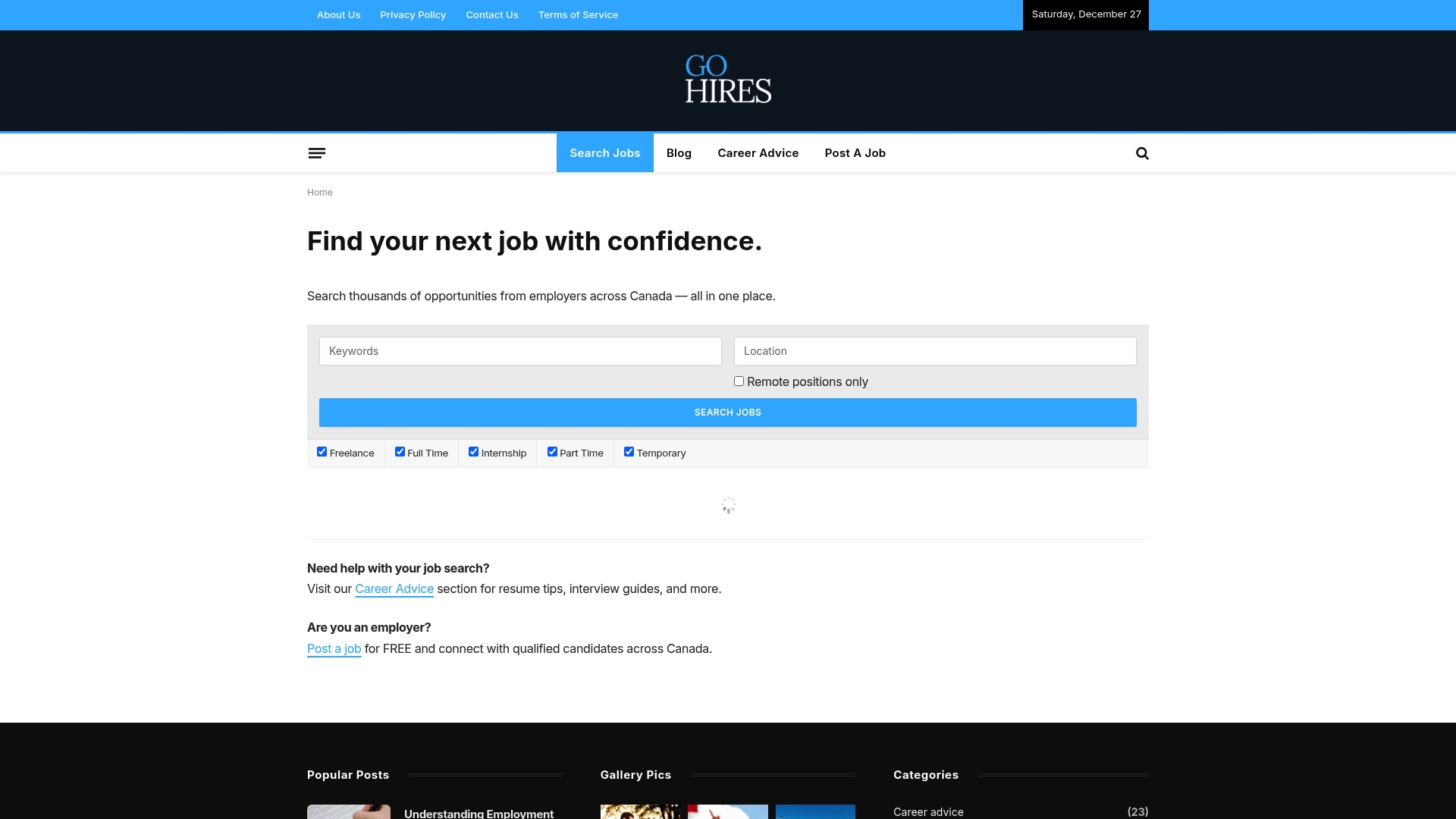
Boost your job search effectiveness with Gohires.com, the comprehensive platform designed for Canadian job seekers. Search thousands of listings tailored by keywords and location while accessing expert career advice to refine your resume, cover letter, and networking approach. Don’t let another opportunity slip away — explore how Gohires.com supports your path from application to interview with ease. Start now and transform your job search into a success story.
Frequently Asked Questions
How do I update my resume for a successful job search?
To update your resume effectively, adopt a chronological format and highlight your most recent achievements. Tailor your resume for each application by using keywords from the job description to improve your chances of passing applicant tracking systems.
What should I include in my cover letter for each job application?
Your cover letter should be tailored for each job and include a compelling opening, your relevant achievements, and how your skills align with the company’s needs. Make sure to personalize it by addressing the hiring manager by name and showcasing your genuine interest in the organization.
How can I optimize my LinkedIn profile to support my job search?
To optimize your LinkedIn profile, create a professional summary that tells your career story and clearly outlines your achievements. Include a high-quality profile picture, relevant skills, and engage with industry content to enhance your visibility and credibility.
What are effective strategies for setting job search goals?
Set clear and measurable short-term and long-term career objectives to focus your job search. Break down your goals into weekly application targets and networking activities to track progress and stay organized.
How do I effectively research target companies and industries?
Conduct thorough research on companies by analyzing their mission statements, recent news, and financial performance. Create a checklist of evaluation criteria to systematically assess potential employers and identify those that align with your career goals.
What steps should I take to follow up after submitting a job application?
After submitting your application, wait 7 to 10 days before sending a concise follow-up email. Inquire about the status of your application while expressing continued interest and briefly reiterating your relevant qualifications.