


Most recent graduates discover that entering the Canadian job market can feel as competitive as applying for an American internship. With over 60 percent of entry-level roles requiring sector-specific skills and customized resumes, focusing your search matters more than ever. This article breaks down the exact steps needed to pinpoint target industries, craft compelling applications, and prepare for interviews so you stand out in a busy Canadian employment landscape.
Table of Contents
- Step 1: Identify Target Roles And Sectors
- Step 2: Build Tailored Resumes And Profiles
- Step 3: Search And Filter Jobs Effectively
- Step 4: Submit Applications With Precision
- Step 5: Prepare And Ace Interviews
- Step 6: Verify Offers And Finalize Employment
Quick Summary
| Key Insight | Explanation |
|---|---|
| 1. Identify Target Roles Carefully | Research sectors with growth and match your skills to specific job roles. |
| 2. Tailor Your Resume for Each Job | Customize your resume by aligning it with job descriptions and quantifying achievements. |
| 3. Use Advanced Job Search Tools | Leverage filtering options on government job sites to refine your job search effectively. |
| 4. Review Applications Thoroughly | Ensure your application addresses all requirements and is formatted professionally before submission. |
| 5. Prepare for Interviews Rigorously | Utilize the STAR method and research the company to ace your interview discussions. |
Step 1: Identify Target Roles and Sectors
Focusing your job search means strategically mapping out the professional landscape that aligns with your skills and career aspirations. Your goal in this step is to transform broad job market possibilities into targeted opportunities that match your background.
Start by exploring the comprehensive job market resources available through the Canadian government. These platforms provide real-time insights into sectors experiencing growth and roles with high demand. Research national employment trends and identify industries that not only interest you but also demonstrate consistent hiring potential. Look closely at sectors like healthcare, skilled trades, technology, and national security which frequently offer robust entry-level pathways.
Create a strategic approach by developing a targeted list of potential roles. Cross-reference your educational background, internship experiences, and personal skills with job market requirements. Use online job boards, professional networking platforms, and industry association websites to understand specific role expectations. Categorize these opportunities into primary and secondary career targets, allowing flexibility while maintaining focus.
Expert Advice Leverage informational interviews with professionals in your target sectors to gain nuanced insights about actual job market dynamics and hidden opportunities.
Here’s a concise comparison of key sectors with strong entry-level job potential in Canada:
| Sector | Typical Entry Role | Core Skills Needed | Growth Outlook |
|---|---|---|---|
| Healthcare | Medical Office Assistant | Communication, Empathy | High, aging population |
| Skilled Trades | Apprentice Electrician | Technical Aptitude | Consistently strong demand |
| Technology | Junior Developer | Coding, Problem-Solving | Rapid ongoing growth |
| National Security | Security Guard | Vigilance, Integrity | Stable, essential service |
Step 2: Build Tailored Resumes and Profiles
Creating a resume that stands out in the competitive Canadian job market requires strategic precision and personalized presentation. Your resume is more than a document it is your professional narrative designed to showcase your unique value proposition to potential employers.
Begin by understanding the core principles of crafting entry-level resumes tailored specifically to Canadian standards. Focus on clear organization that highlights your educational achievements, internships, and transferable skills. Each section should demonstrate how your background directly aligns with the job requirements. Quantify your accomplishments whenever possible using specific metrics that illustrate your impact. For example, instead of stating you managed a project, specify that you “led a team of 5 students to complete a marketing campaign that increased engagement by 27 percent.”

Structure your resume with strategic sections that provide comprehensive yet concise insights into your professional potential. Include a compelling summary statement that captures your career objectives, followed by education, relevant coursework, internships, volunteer experiences, and technical skills. Customize each resume for the specific role by carefully analyzing job descriptions and mirroring their language and key requirements. Ensure your document is clean, professional, and free of grammatical errors.
Expert Advice Always have a trusted mentor or career professional review your resume to provide objective feedback and identify potential areas of improvement.
Step 3: Search and Filter Jobs Effectively
Navigating the Canadian job market requires a strategic approach to searching and filtering opportunities that align with your professional goals. Your job search is not about applying to every available position but about finding the right roles that match your skills and career aspirations.
Leverage advanced job search features to streamline your job hunting process. Government platforms offer robust filtering options that allow you to customize your search by location, sector, job type, and skill requirements. Start by creating detailed search profiles that capture your professional interests. Use specific keywords related to your target roles and industries. Break down your search into primary and secondary categories to ensure comprehensive coverage. Pay attention to filters like experience level, work authorization, and specific skill sets that can help narrow down relevant opportunities.
Develop a systematic approach to tracking and managing your job applications. Create spreadsheets or use job tracking tools to monitor application status, key details, and follow up dates. Set up email alerts and saved searches to receive instant notifications about new positions that match your criteria. This proactive strategy ensures you do not miss potential opportunities and allows you to respond quickly to new job postings.
Below is a summary of effective tools for tracking and managing your job applications:
| Tool Type | Main Benefit | Example Use Case |
|---|---|---|
| Spreadsheets | Visual overview and sorting | Track status and follow-ups |
| Job Tracking Apps | Automated reminders | Notify interview timelines |
| Email Alerts | Receive new relevant postings | Immediate application action |
Expert Advice Allocate specific time blocks for job searching and treat it like a professional project with clear goals and structured activities.
Step 4: Submit Applications with Precision
Successful job applications require more than just sending out resumes they demand a strategic approach that showcases your professional potential with meticulous attention to detail. Your application is your first direct communication with potential employers and represents your professional brand.
Understand the nuanced requirements of applying to Canadian jobs by carefully analyzing each job posting. Read the Statement of Merit Criteria thoroughly and ensure your application directly addresses each qualification. Customize your resume and cover letter to mirror the language and specific requirements outlined in the job description. Pay close attention to keywords, required skills, and specific experience levels. Double check that you have included all requested documentation and that each document is formatted professionally.
Implement a systematic approach to application submission. Create a comprehensive tracking system that documents application dates, required materials, contact information, and follow up strategies. Use digital tools or spreadsheets to monitor application status and set reminders for potential follow up communications. Proofread every document multiple times and consider having a professional mentor or career advisor review your application materials before submission. Ensure all online application forms are completed thoroughly with consistent and accurate information that matches your supporting documents.
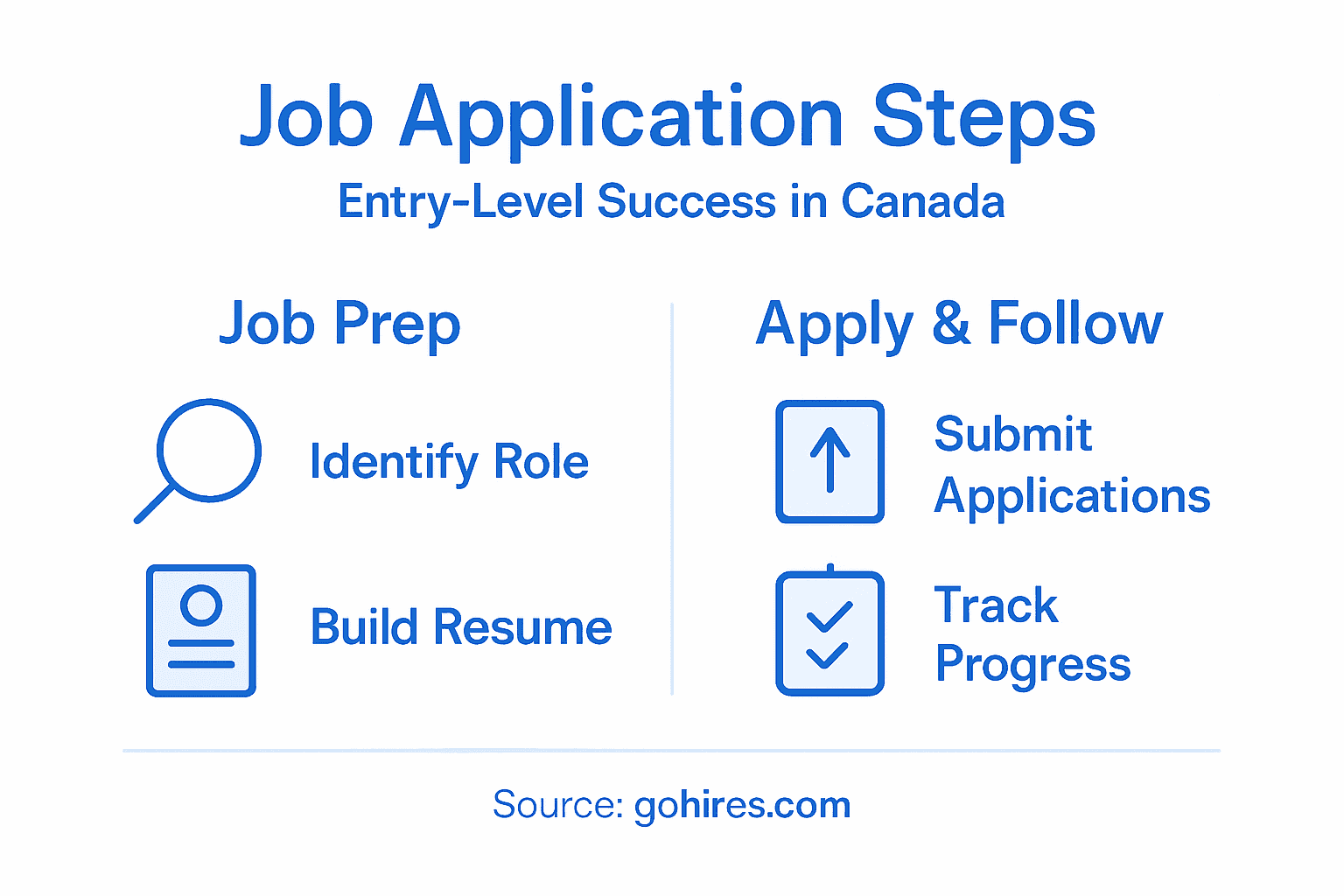
Expert Advice Always save digital copies of your application materials and create a standardized naming convention that allows easy retrieval and tracking of different job applications.
Step 5: Prepare and Ace Interviews
Interviews are your opportunity to transform a piece of paper into a living professional narrative that demonstrates your potential beyond your resume. Your goal is to convert a 30 minute conversation into a compelling argument for why you are the ideal candidate for the position.
Master the art of interview preparation techniques by developing a strategic approach to showcasing your professional capabilities. Study the job description meticulously and prepare concrete examples using the STAR method (Situation Task Action Result) that directly illustrate your skills and experiences. Research the organization thoroughly understanding their mission values and recent achievements. Anticipate potential questions and craft articulate responses that highlight your unique strengths. Practice your delivery with a mentor or career coach who can provide objective feedback on your communication style body language and content.
During the interview demonstrate active listening and engagement. Ask thoughtful questions that reveal your genuine interest in the role and organization. Prepare a concise professional narrative that connects your background to the specific requirements of the position. Dress professionally maintain confident body language and provide clear structured answers that showcase your ability to communicate effectively. Follow up with a personalized thank you email within 24 hours reiterating your interest and summarizing key discussion points.
Expert Advice Record yourself practicing interview responses to identify verbal tics unconscious gestures and areas where you can improve your communication clarity and confidence.
Step 6: Verify Offers and Finalize Employment
Reaching the final stage of your job search requires careful scrutiny and strategic decision making to ensure you secure a legitimate and beneficial employment opportunity. This critical phase transforms your job hunt from potential prospects to concrete professional commitment.
Understand the comprehensive job offer verification process that Canadian authorities implement to protect both employees and employers. Carefully review every aspect of the job offer including salary structure, benefits package, job responsibilities, and contract terms. Confirm the employer’s legitimacy by verifying their business registration status professional references and online presence. Cross reference the offered position against standard industry compensation rates and ensure all verbal agreements are documented in writing. Examine the employment contract meticulously looking for clear definitions of role expectations performance metrics and potential pathways for professional growth.
Prepare a systematic approach to finalizing your employment. Request and collect all necessary documentation including official offer letters work permits tax forms and employment contracts. Consult with a legal professional or career advisor to understand the nuanced details of your employment agreement. Negotiate respectfully and professionally if certain terms require clarification or adjustment. Maintain open communication with your prospective employer and demonstrate your commitment to establishing a transparent professional relationship.
Expert Advice Create a comprehensive checklist of all required documents and verification steps to ensure nothing is overlooked during the final stages of your employment confirmation.
Accelerate Your Entry-Level Job Search with Gohires.com
Navigating the Canadian job market can feel overwhelming when you are just starting out. This article highlights key challenges like identifying the right sectors, crafting tailored resumes, and managing your applications strategically to succeed. If you want to overcome these hurdles confidently and connect directly with employers who value your unique skills, turn to a platform designed specifically for your needs. At Gohires.com, you can explore a wide range of entry-level positions across healthcare, technology, skilled trades, and more, all organized for effective searching by location and job type.
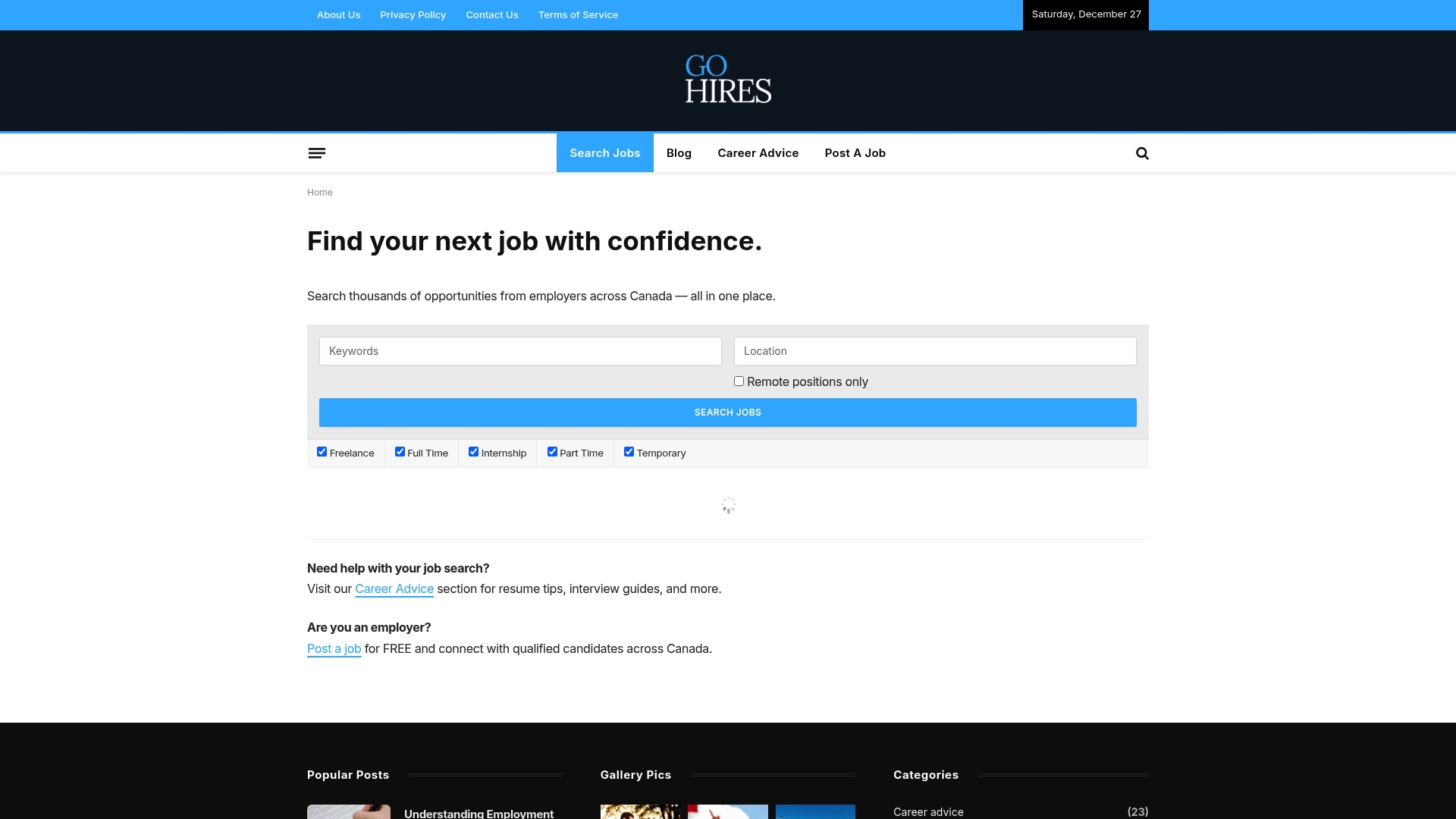
Start mastering your job search workflow today by using Gohires.com to easily apply for jobs, access expert career advice, and track your applications all in one place. Your next opportunity in Canada’s competitive market is just a click away. Visit Gohires.com now and take control of your career journey with resources that support every step from resume building to interview preparation.
Frequently Asked Questions
How can I identify my target roles in the job market?
To identify your target roles, research sectors that align with your skills and interests, such as healthcare, technology, or skilled trades. Create a list of specific positions that match your educational background and experiences.
What are the key components of a tailored resume for entry-level positions?
A tailored resume should highlight your education, relevant internships, and transferable skills, organized clearly for easy reading. Use quantifiable metrics to describe your accomplishments, such as “increased engagement by 27 percent.”
How can I effectively filter job opportunities during my search?
Utilize advanced search features available on job boards to customize your job searches by location, job type, and required skills. Create detailed profiles that reflect your career goals and set up alerts for new opportunities that match your criteria.
What should I include in my job application to increase my chances?
Ensure your application directly addresses the qualifications listed in the job posting, customizing your resume and cover letter accordingly. Double-check that all requested documents are included and formatted professionally before submission.
How can I prepare effectively for interviews?
To prepare for interviews, use the STAR method to practice articulating your experiences and skills with specific examples. Research the company and prepare thoughtful questions to demonstrate your interest in the role.
What steps should I take to verify a job offer before accepting it?
Carefully review all aspects of the job offer, including salary and benefits, and verify the employer’s legitimacy. Ensure that any verbal agreements are documented in the employment contract, and don’t hesitate to negotiate terms that require clarification.
Recommended
- Step-by-Step Guide: How to Find a Job in Canada as a Foreigner – GoHires
- The Best Job Search Websites for Immigrants in Canada – GoHires
- How to Get a Job in Canada Before You Immigrate – GoHires
- How to Use LinkedIn Effectively to Land a Job in Canada – GoHires
- Employee Retention Solutions | Reduce Turnover | OpenElevator
- Workflow Automation in B2B: Driving Multi-Channel Sales
1 Comment
Pingback: 7 Essential Steps for a Canada Job Search Checklist