

Introduction
Imagine hiring teams buried under hundreds of resumes—as recruitment volumes surge, the battle for top talent intensifies. In this evolving landscape, organizations need smarter tools, not just speed. A modern hiring solution offers both precision and scalability, reshaping how hiring stakeholders operate.
Leading enterprises are embracing software that consolidates recruitment efforts into a unified, trackable system. In 2024, nearly all Fortune 500 companies—about 98.4%—leveraged such platforms to streamline their hiring workflows and significantly cut down time-to-hire metrics. Many report reductions in hiring cycles by up to 40%, enabling teams to move swiftly from screening to engaging high-quality candidates and reducing costs by 20–25%. (Sources: B2B Reviews, UMA Technology)
Startups and small-to-medium businesses (SMBs) are also catching on fast—thanks to SaaS offerings, adoption leapt from around 30% in 2018 to approximately 65% in 2025. Cloud-based platforms dominate, offering flexibility and cost-efficiency suitable for growing teams. These systems integrate with HR, payroll, onboarding, and even assessment tools, unifying end-to-end talent acquisition workflows. (Source: UMA Technology)
Consider how this works in practice: a mid-sized tech firm implements a centralized platform that auto-parses resumes, ranks applicants, and schedules interviews automatically. Recruiters reclaim hours previously spent on manual reviews and administrative hoops. Hiring managers gain realtime visibility into candidate pipelines, while better-qualified candidates move through faster, reducing drop-off and increasing acceptance rates.
This surge in recruitment automation isn’t just about efficiency—it’s about delivering a polished, consistent candidate experience. A well-designed system ensures applicants receive timely updates and transparent communication, which supports employers’ brand reputation and imparts trust. It’s no surprise then that candidates now expect streamlined digital interactions, and organizations that deliver them stand out in tight market conditions.
Ultimately, turning candidate volume into quality hires efficiently is no longer optional—it’s strategic. By adopting an integrated, intelligent recruitment platform, HR teams can escape manual bottlenecks and focus on what matters most: connecting talent with opportunity.
Driving Efficiency and Quality with Intelligent Recruitment Tools
Building on the need for seamless hiring experiences, many organizations have turned to data-driven recruitment tools to optimize outcomes. For example, businesses using an applicant tracking system report a 30–50% reduction in time-to-hire, with some noting a decrease of up to 20 days per hire, yielding significant cost and resource savings. Organizations also cite per-hire cost reductions between $1,500 and $3,000 when leveraging these systems because of diminished reliance on manual review and third-party recruiters, per Jobscan and SHRM data (TechBloat, 2025)
Efficiency gains extend beyond cost savings. Fullsight reports that effective ATS implementations can shorten hiring cycles by as much as 60%, while 78.5% of recruiters note improvements in hire quality. Moreover, approximately 98% of Fortune 500 companies are now using such systems, reflecting ATS’s role as a cornerstone of modern talent acquisition strategies (Fullsight)
Actionable Insights through Analytics
Beyond screening and tracking, these systems deliver powerful analytics that inform strategic recruitment. Features like dashboards and detailed reports enable teams to monitor time-to-fill, identify bottlenecks, and refine sourcing strategies. The visibility into conversion rates, candidate drop-off, and channel effectiveness supports continuous improvement—turning recruitment from a guessing game into a disciplined, measurable process (U.S. Chamber of Commerce)
Collaborative, Scalable Hiring Workflows
Advanced platforms also foster collaboration among hiring stakeholders. Centralized candidate profiles allow hiring managers, interviewers, and recruiters to view shared notes, track evaluation scores, and streamline decision-making. This transparency reduces duplicate efforts and improves accountability. For high-volume or fast-scaling organizations, the ability to manage hundreds of applications—complete with automation for screening, scheduling, and communication—adds consistency without sacrificing quality (Cercli)
Enhancing Candidate Experience and Employer Brand
A positive applicant journey often translates directly into employer brand equity. Thoughtfully configured systems automate timely updates, enable self-scheduling, and create branded career pages, which can elevate perceptions among top talent. CareerPlug data illustrates this: 75% of job seekers say a positive hiring experience influences their decision to accept an offer, while 35% admit they’ve abandoned applications after bad experiences, underscoring how recruitment touchpoints resonate long after a hire (U.S. Chamber of Commerce)
By integrating efficiency, actionable data, collaboration, and candidate-centric workflows, organizations can transform hiring from operational overhead into a strategic advantage. The result is not just faster hires, but smarter, more scalable recruitment that strengthens both internal process and external reputation.
Implementing an Effective Applicant Tracking System
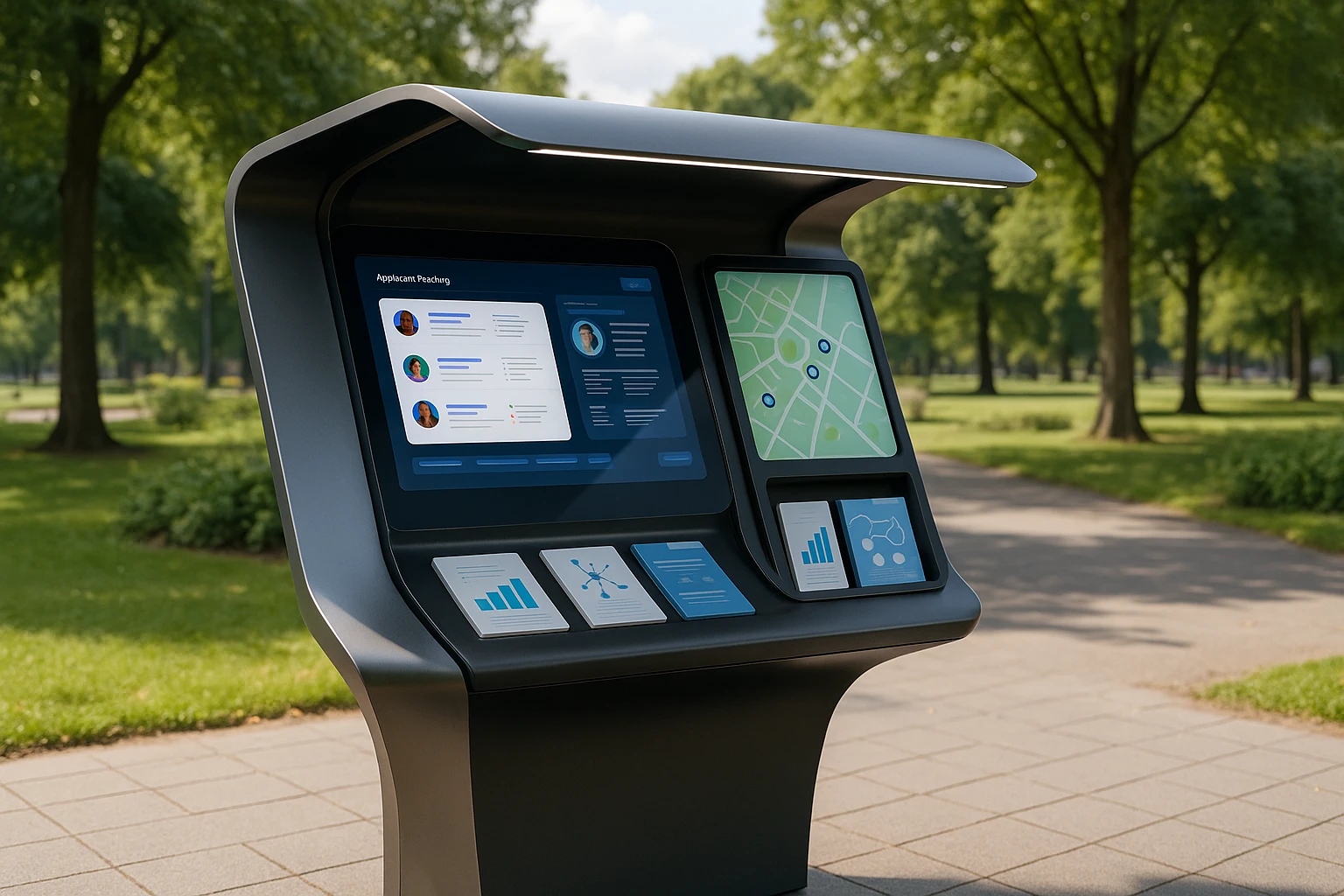
Integrating an applicant tracking system (ATS) into your recruitment process can significantly enhance efficiency and accuracy. This technology helps manage job applications, streamlining the hiring process by filtering resumes, scheduling interviews, and maintaining communication with candidates. For example, companies like Go Hires provide solutions tailored to meet diverse organizational needs, optimizing the recruitment workflow through advanced features and user-friendly interfaces.
Strategies for Successful Implementation
To effectively implement an applicant tracking system, it’s essential to assess your organization’s specific needs. Begin by identifying key areas where automation can bring the most value. For instance, if your team struggles with resume screening, prioritize features like keyword searches and automated ranking systems. Consider consulting various stakeholders to gather input and ensure the system aligns with overall recruitment strategies. According to a recent study by McKinsey & Company, customized ATS solutions can improve human resource capabilities by up to 20%.
Optimizing User Experience
User experience is crucial for the successful deployment of an ATS. Ensure the platform is intuitive and accessible across all devices, allowing both HR professionals and candidates to navigate easily. Providing training sessions for your recruitment team can maximize the benefits of an ATS. Encouraging feedback from users helps in continuously refining the system. Per SHRM, organizations that emphasized user experience saw a 15% increase in candidate satisfaction.
Ensuring Data Security and Compliance
With growing concerns around data privacy, it’s imperative to choose an ATS that adheres to compliance and security standards. Ensure the system complies with regulations like the General Data Protection Regulation (GDPR) or equivalent local laws. Confirm that robust encryption practices protect sensitive candidate information. Providing a clear privacy policy can reassure candidates that their data is managed responsibly. Companies like Go Hires integrate comprehensive security measures, helping organizations maintain compliance effortlessly.
Driving Efficiency and Strategic Advantage
Many organizations today are under pressure to fill roles rapidly without sacrificing quality. A robust applicant tracking system enables recruiters to automate routine tasks like resume filtering, candidate communications, and interview scheduling. For instance, nearly three-quarters of recruiters now manage their hiring process through such tools, as reported by Industry Research Biz, which emphasizes how widely automation is adopted to streamline workflows and reduce time-to-hire industryresearch.biz.
In practical terms, the impact is tangible: companies using these systems have seen up to 51% faster hiring cycles and improved candidate quality, according to Global Growth Insights globalgrowthinsights.com. By centralizing candidate data, these platforms simplify collaboration among hiring teams—sharing feedback or scheduling interviews becomes seamless, ensuring nothing slips through the cracks.
Boosting Quality in High-Volume Recruitment
Mass hiring initiatives or highly competitive industries demand both speed and precision. According to Jobscan’s 2025 usage report, a staggering 97.8% of Fortune 500 companies use applicant tracking system technology—underscoring its vital role in large-scale recruitment jobscan.co.
Within that ecosystem, leading HR platforms like Workday and SuccessFactors dominate deployment, with strong adoption rates among top-tier firms jobscan.co. The real-world payoff is clear: these systems sift the signal from the noise, helping recruiters focus on truly qualified candidates in environments where hundreds of applications may flood per position.
Actionable Insights Through Analytics
Beyond streamlining processes, modern ATS tools act as strategic partners by providing recruitment analytics. These metrics—such as time-to-fill, source-of-hire, and candidate conversion rates—empower teams to make informed adjustments to sourcing strategies and budget allocation. The Insight Partners projects the market growth to approach $6.2 billion by 2031, citing high usage driven partly by organizations’ need for these data-driven insights prnewswire.com.
Moreover, cloud-based systems are becoming increasingly favored, with over 54% of mid-sized U.S. firms opting for scalable, accessible platforms and 43% incorporating AI-powered candidate assessments globalgrowthinsights.com. This shift not only enhances hiring agility but also equips HR professionals with predictive tools that anticipate hiring bottlenecks before they escalate.
Together, operational efficiency, data-backed decisions, and scalable automation empower organizations to confidently navigate recruitment intricacies and strengthen their competitive edge in attracting top talent.

Conclusion: Unlocking the Potential of Applicant Tracking Systems
As we draw this exploration of applicant tracking systems to a close, it’s essential to distill the key opportunities these platforms offer for both employers and applicants. Understanding the capabilities and benefits of these systems enables businesses to make informed decisions that align with their recruitment goals.
Actionable Insights
Organizations seeking to streamline their hiring process should prioritize the integration of a robust applicant tracking system. By doing so, they not only enhance efficiency but also improve the overall candidate experience. For instance, incorporating features such as automated resume screening and AI-driven analytics can significantly reduce time-to-hire and optimize candidate sourcing strategies. According to a Gartner report, companies leveraging AI in recruitment see a 25% increase in hiring speed.
Practical Applications
One real-world application is Marriott International’s use of an applicant tracking system to manage its vast pool of candidates, enhancing its ability to fill roles effectively and maintain its global staffing needs. This approach not only improves recruitment outcomes but also strengthens employer branding by ensuring consistent communication and engagement with candidates.
Key Takeaways
- Invest in an applicant tracking system to improve recruitment efficiency.
- Leverage AI and analytics features to enhance decision-making and candidate quality.
- Focus on customizing the system to align with your unique business needs and objectives.
In summary, the integration of an applicant tracking system is crucial for modern businesses aiming to stay competitive in the talent market. By automating repetitive tasks and providing data-driven insights, these systems empower HR teams to focus on strategic activities and fostering meaningful candidate relationships.
Taking the Next Step with Go Hires
For those ready to transform their recruitment processes, consider exploring Go Hires. With comprehensive solutions tailored to your needs, Go Hires stands out as a valuable partner in maximizing the potential of your applicant tracking efforts. Leverage their cutting-edge technology to unlock a future of seamless recruitment and talent acquisition success.
3 Comments
Pingback: Role of Recruiters in Canada: Powering Tech Hiring
Pingback: Remote Recruitment: Transforming Hiring for Tech Firms
Pingback: 7 Essential Steps for a Canada Job Search Checklist