


Remote work is rewriting how professionals connect and collaborate across countries, with Canadian and American companies reporting a surge in digital job postings this year. For full-time remote workers in Canada, understanding evolving job definitions and market trends can unlock more targeted opportunities. This article breaks down the facts and clears up common myths, so you can navigate the demand for remote roles with greater confidence and clarity.
Table of Contents
- Remote Work Defined And Common Misconceptions
- Types Of Remote Jobs And Key Variations
- Major Factors Driving Remote Job Demand
- Worker Benefits And Employer Advantages
- Risks, Challenges, And Common Mistakes
- Comparing Remote, Hybrid, And Onsite Roles
Key Takeaways
| Point | Details |
|---|---|
| Remote Work Enhances Job Satisfaction | With proper technological support and clear communication, remote work can lead to higher job satisfaction and mental well-being. |
| Diverse Job Opportunities | The remote job market is predominantly in technology, offering various roles that allow for location independence. |
| Flexibility is Key | Workers increasingly prioritize flexible work arrangements that support both personal and professional growth. |
| Addressing Challenges is Crucial | Organizations must proactively manage challenges like communication barriers and cybersecurity risks to ensure effective remote work. |
Remote Work Defined and Common Misconceptions
Remote work represents a transformative approach to professional activity where employees perform tasks outside traditional office environments, primarily enabled by digital technologies. Comprehensive research from psychological studies reveals that remote work encompasses more than just working from home—it involves a sophisticated interaction between technological infrastructure, individual capabilities, and organizational support.
The terminology surrounding remote work is diverse, reflecting its complex nature. Professionals might refer to this work style as telework, virtual work, or hybrid work, each term highlighting different aspects of location flexibility. Research indicates that definitions can vary based on frequency, mobility, and work location, with some employees working part-time remotely and part-time onsite. This variability makes precise measurement challenging, as surveys can be affected by recall bias and ambiguous definitions.
Contrary to popular belief, remote work is not synonymous with reduced productivity or diminished employee engagement. Studies demonstrate that when organizations provide appropriate technological resources and supervisory support, remote work can actually enhance job satisfaction and mental well-being. Key factors influencing successful remote work include:
- Individual self-efficacy
- Technological infrastructure
- Supervisor support
- Clear communication channels
- Well-defined performance metrics
Pro tip: Invest in reliable technology and establish clear communication protocols to maximize your remote work effectiveness.
Types of Remote Jobs and Key Variations
Emerging remote job trends in 2024 demonstrate a significant transformation in professional landscapes, with digital and technology-focused roles dominating the remote work ecosystem. The contemporary remote job market spans multiple sectors, offering diverse opportunities for professionals seeking location-independent employment.
Technology and digital sectors continue to lead remote job opportunities. Key remote job categories include:
- Software Development
- Digital Marketing
- Content Creation
- Data Analysis
- AI and Machine Learning
- Telehealth Services
- Project Management
- Customer Support
- Technical Writing
- Cybersecurity
Professional remote work opportunities reflect interesting geographical and structural variations. Most remote positions are concentrated within professionals’ home countries, with mid to senior-level roles predominantly offering remote work arrangements. Hybrid roles have become increasingly prevalent, balancing in-office and remote work experiences.
Interestingly, remote work is not uniformly distributed across job functions. Technology and product development sectors demonstrate the highest remote work adoption, driven by digital infrastructure and evolving workplace technologies. Employers increasingly view remote work as a strategic tool for accessing global talent pools and optimizing operational costs while maintaining robust performance standards.
Pro tip: Develop versatile digital skills and invest in high-quality home office technology to increase your remote job marketability.
Major Factors Driving Remote Job Demand
Global labor market transformations are fundamentally reshaping workforce dynamics, with remote work emerging as a strategic imperative for organizations seeking competitive advantages. Employers are increasingly recognizing remote work as more than a temporary trend, but a fundamental restructuring of how professional work is conceptualized and executed.
Key drivers of remote job demand encompass multiple strategic dimensions:
- Broader talent acquisition beyond local geographic limitations
- Significant cost reductions in real estate and operational expenses
- Enhanced organizational resilience through workforce diversification
- Improved employee work-life balance and satisfaction
- Technological infrastructure supporting seamless digital collaboration
- Potential for increased productivity and performance metrics
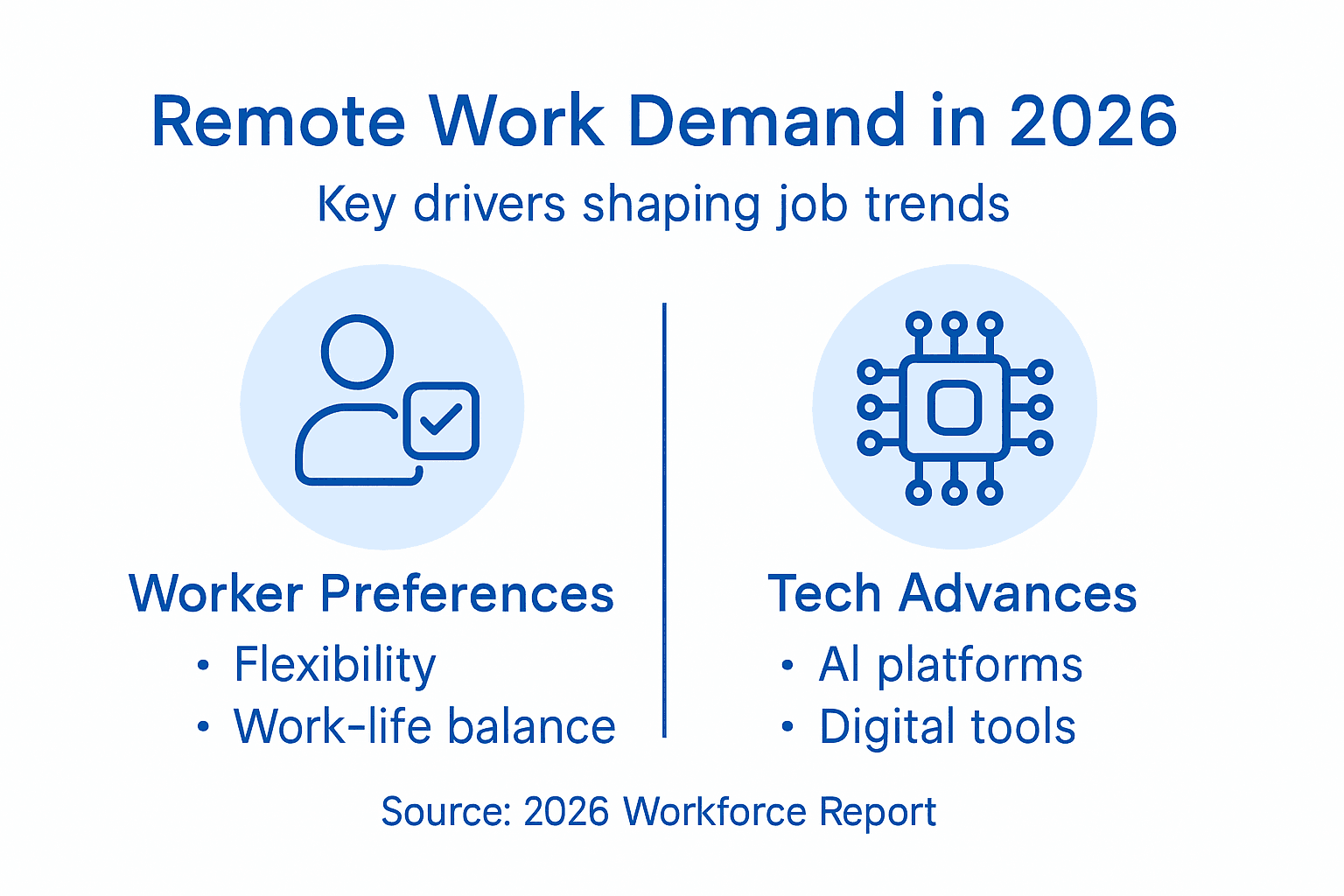
Worker preferences continue to dramatically influence remote work trends, with flexibility now ranking above traditional compensation considerations. Younger generations and working parents particularly prioritize adaptable work arrangements that accommodate personal responsibilities and professional growth. This shift represents a fundamental reimagining of workplace expectations, where autonomy and personal well-being are increasingly valued alongside professional performance.

Technological advances, particularly in artificial intelligence and digital communication platforms, are accelerating remote work adoption. Employers view these technological capabilities as critical infrastructure for maintaining competitive edges, enabling unprecedented levels of collaboration and productivity across distributed teams. The convergence of worker preferences, technological capabilities, and organizational strategies is creating a robust ecosystem for continued remote job market expansion.
Pro tip: Continuously upgrade your digital skills and invest in a reliable home workspace to position yourself as an attractive remote work candidate.
Worker Benefits and Employer Advantages
Remote work transforms professional experiences by creating unprecedented opportunities for both employees and organizations. This dynamic work model represents a fundamental shift in how professionals approach productivity, personal well-being, and career development, offering multifaceted advantages that extend far beyond traditional workplace structures.
For employees, remote work delivers substantial personal and professional benefits:
- Flexible working hours
- Elimination of daily commute
- Reduced transportation expenses
- Enhanced work-life balance
- Decreased stress levels
- Increased personal time
- Geographic independence
- Customizable work environments
- Lower professional attire costs
- Improved mental health
Employer advantages demonstrate significant strategic value through reduced operational expenses and expanded talent acquisition capabilities. Organizations can dramatically lower overhead costs associated with physical office spaces, recruit top talent from global talent pools, and create more adaptable workforce structures that respond quickly to changing market demands.
The symbiotic relationship between employee satisfaction and organizational performance becomes increasingly evident through remote work models. Companies that successfully implement comprehensive remote work strategies experience heightened employee motivation, decreased absenteeism, and improved retention rates. Technological infrastructure and progressive management approaches are critical in translating these potential advantages into tangible organizational outcomes.
Here is a comparative summary of key benefits for both employees and employers in remote work models:
| Benefit Area | Employee Impact | Employer Impact |
|---|---|---|
| Flexibility | Custom work schedules | Adaptive business operations |
| Cost Savings | Lower commuting expenses | Reduced office real estate costs |
| Talent Pool | Greater job location choices | Access to global expertise |
| Productivity | More personal time for tasks | Higher productivity potential |
| Mental Well-being | Improved daily stress levels | Enhanced staff retention |
| Work-life Balance | Easier personal management | Lower absenteeism rates |
Pro tip: Develop a comprehensive digital communication strategy and invest in robust collaboration tools to maximize your remote work effectiveness.
Risks, Challenges, and Common Mistakes
Remote and hybrid work environments present complex challenges that extend beyond traditional workplace dynamics. Professionals and organizations must navigate intricate psychological, technological, and operational landscapes to successfully implement sustainable remote work strategies.
Key challenges in remote work include:
- Work-life balance disruptions
- Professional isolation
- Communication barriers
- Collaboration difficulties
- Trust issues between employees and management
- Unequal access to remote work opportunities
- Technology adaptation requirements
- Performance measurement complexities
- Mental health considerations
- Professional development limitations
Cybersecurity risks represent a critical concern for distributed workforces. Organizations face significant threats from potential data breaches, insecure network connections, and human error. Phishing attempts, device misuse, and inconsistent security policy compliance can expose businesses to substantial digital vulnerabilities, necessitating robust technological and educational interventions.
Successful remote work implementation demands proactive management strategies that address systemic challenges. Companies must develop comprehensive training programs, establish clear communication protocols, and create inclusive policies that recognize the diverse needs of distributed teams. This approach requires continuous adaptation, technological investment, and a commitment to maintaining organizational culture beyond physical workspace constraints.
The following table outlines common remote work challenges and strategies to address each:
| Challenge | Root Cause | Mitigation Strategy |
|---|---|---|
| Communication gaps | Digital platform reliance | Use frequent video meetings |
| Cybersecurity risks | Home network vulnerabilities | Enforce strong security protocols |
| Employee isolation | Limited social interaction | Schedule virtual team activities |
| Unclear performance | Remote supervision issues | Implement transparent metrics |
| Unequal opportunities | Technology access disparity | Provide necessary tech resources |
Pro tip: Implement regular cybersecurity training and establish clear digital communication guidelines to mitigate remote work operational risks.
Comparing Remote, Hybrid, and Onsite Roles
Work arrangement models in 2026 represent complex strategies for organizational productivity and employee satisfaction. Understanding the nuanced differences between remote, hybrid, and onsite roles becomes critical for professionals navigating contemporary career landscapes.
Comparative Analysis of Work Models:
Remote Roles
- Full location independence
- Maximum personal autonomy
- Global talent accessibility
- Reduced overhead costs
- High self-discipline requirements
Hybrid Roles
- Balanced flexibility
- Periodic in-person collaboration
- Structured workplace interaction
- Compromise between autonomy and teamwork
- Reduced isolation risks
Onsite Roles
- Immediate team collaboration
- Direct resource access
- Spontaneous communication
- Stronger organizational culture
- Traditional performance tracking
Career selection strategies increasingly depend on individual preferences, work nature, and organizational culture. Each model presents unique professional development opportunities, requiring careful consideration of personal work styles, career objectives, and desired workplace dynamics.
The evolving professional landscape demands adaptability. Successful professionals will develop skills that transcend traditional workplace boundaries, leveraging technological tools and communication strategies to excel across different work arrangement models.
Pro tip: Develop versatile communication skills and technological proficiency to remain competitive across remote, hybrid, and onsite work environments.
Embrace the Remote Work Revolution with GoHires
The surge in remote job demand reveals a clear challenge for Canadian professionals seeking flexible, location-independent opportunities. Balancing personal well-being with career growth requires access to versatile roles in thriving sectors such as technology, digital marketing, and customer support. If you aim to join a workforce that values autonomy, clear communication, and a robust digital infrastructure, the key is finding the right platform tailored to these needs.
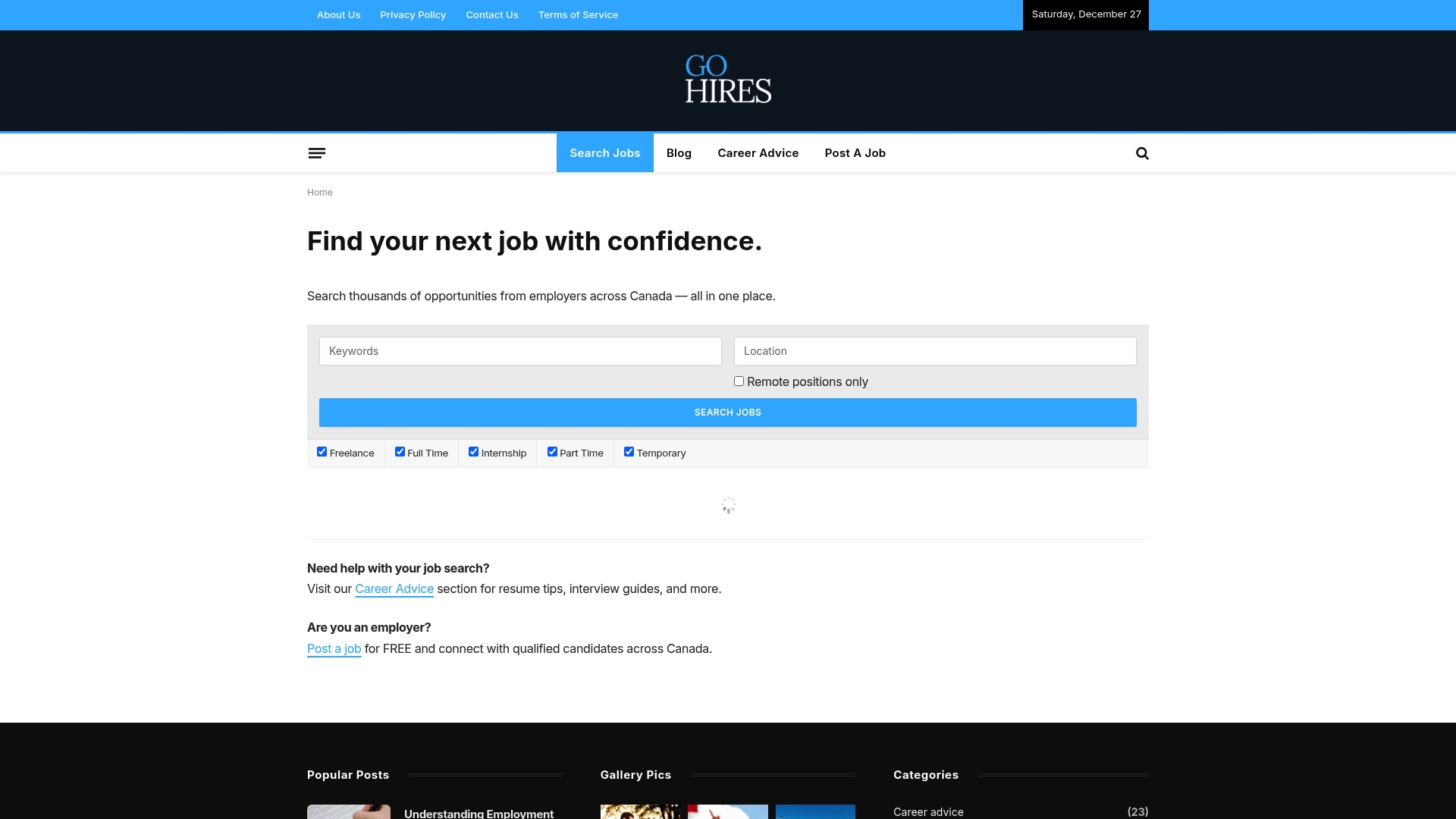
Discover how GoHires connects you to the fastest-growing remote job markets in Canada while giving you tools to navigate the evolving work landscape. Whether you are searching for full-time or freelance positions, our platform offers streamlined job listings designed to match your remote work ambitions. Act now to transform challenges into career advantages by visiting GoHires.com, where flexibility meets opportunity. Take control of your professional future today and explore the benefits of remote and hybrid work through GoHires’ job search portal.
Frequently Asked Questions
What are the main factors driving the surge in remote job demand for 2026?
The surge in remote job demand is driven by broader talent acquisition beyond geographic limits, cost reductions for businesses, enhanced work-life balance for employees, and technological advancements that facilitate digital collaboration.
How do remote jobs benefit employees compared to traditional roles?
Remote jobs offer flexible working hours, eliminate daily commuting, provide geographic independence, and enhance work-life balance, which can lead to improved mental health and decreased stress levels.
What challenges do remote workers face in their roles?
Remote workers may encounter challenges such as professional isolation, communication barriers, and cybersecurity risks. It’s essential to address these challenges with clear communication protocols and robust security measures.
How do hybrid roles differ from fully remote jobs?
Hybrid roles provide a balance between remote work and in-person collaboration, allowing employees to enjoy flexibility while also fostering teamwork and reducing the risks of isolation that can come with fully remote positions.
Recommended
- In-Demand Occupations for Immigration to Canada in 2025 – GoHires
- Top Industries in Canada Hiring Immigrants in 2025 – GoHires
- How to Get a Job in Canada Before You Immigrate – GoHires
- Top 5 Companies to Work for in Canada in 2025 (And How to Get Hired) – GoHires
- Virtual Sales Training | Remote Learning for Sales Teams
1 Comment
Pingback: Top Remote Work Platforms Canada for 2026