

Last updated: September 22, 2026. Canada’s mining and critical-minerals sector is entering a major investment and workforce cycle. For job seekers, the opportunity is broader than mining engineers and underground miners. New mines and processing projects also need electricians, heavy-duty mechanics, millwrights, operators, geologists, environmental specialists, safety professionals, project managers and supply-chain teams.
Quick answer
Natural Resources Canada reports that Canada’s minerals and metals sector directly employed about 438,000 people in 2024, with another 286,000 indirect jobs. Federal workforce planning now identifies mining and minerals as a priority sector facing skills gaps, demographic pressure and technology change. The best opportunities vary sharply by occupation, province and project stage, so this guide maps careers from exploration through construction, operations, processing and remediation.
Why mining careers matter now
Canada produces more than 60 minerals and metals. The federal government says mining directly contributed $112 billion to GDP in 2024. In March 2026, Canada also announced partnerships and investments intended to mobilize $12.1 billion in critical-mineral projects, bringing the combined value associated with two rounds of the Critical Minerals Production Alliance to $18.5 billion. These are investment and project figures, not a forecast of guaranteed jobs.
The more durable signal is workforce planning. The Mining and Minerals Workforce Alliance brings employers, unions, educational institutions and Indigenous partners together to identify skills gaps across exploration, extraction and processing. That makes mining a strong career-intelligence topic even when individual commodity prices or projects change.
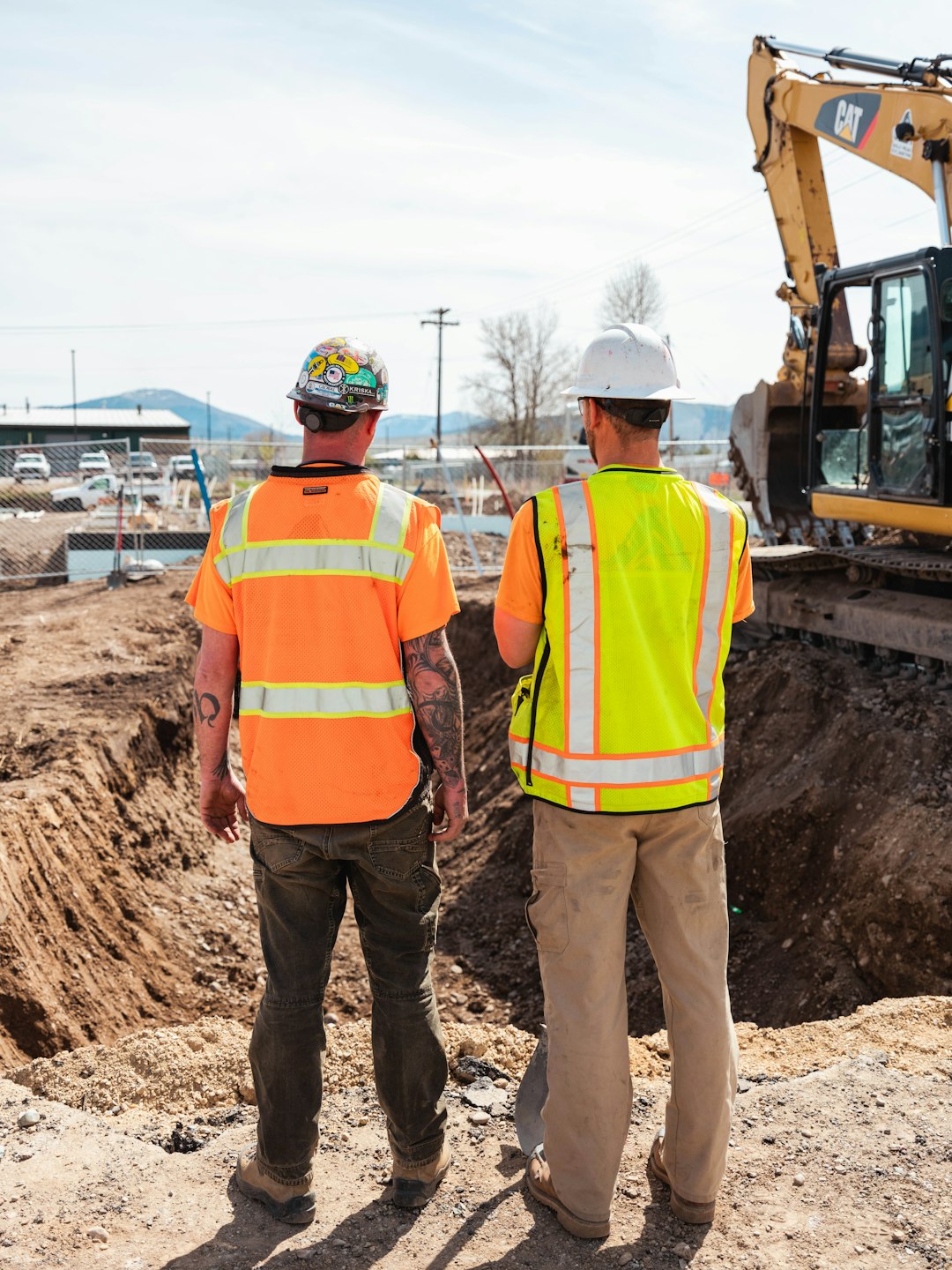
Mining career map: where different jobs fit
| Project stage | Typical career groups | Job-seeker signal |
|---|---|---|
| Exploration | Geologists, geological technicians, survey, environmental and field crews | Early-stage and often project-based |
| Development and engineering | Mining, civil, electrical and mechanical engineers, permitting, environmental, project controls | Hiring strengthens as feasibility, financing and approvals advance |
| Construction | Electricians, millwrights, heavy equipment, welders, construction managers, safety | Large but often temporary workforce |
| Operations | Operators, mechanics, electricians, engineers, supervisors, safety and maintenance | Longer-term mine employment |
| Processing and closure | Process operators, metallurgists, maintenance, environmental and remediation teams | Processing can outlast construction; remediation extends beyond production |
What mining jobs pay in Canada
Wages vary by occupation, region, experience, union status, shift schedule and remote-work arrangements. The figures below are Job Bank hourly wages, updated November 19, 2025, based mainly on 2023-2024 Statistics Canada data. They are not mining-company salary offers.
GoHires mining pay snapshot
| Occupation | Canada median | Canada range |
|---|---|---|
| Mining engineer | $60.00/hour | $37.02-$115.38 |
| Industrial electrician | $42.00/hour | $28.00-$54.00 |
| Underground mine service/support | $38.00/hour | $23.75-$52.00 |
| Heavy equipment mechanic | $37.12/hour | $23.87-$55.00 |
Source: Government of Canada Job Bank. Canada-wide hourly wage estimates. Wage reference periods vary by occupation and geography.
Best career pathways to watch
Mining engineering
Mining engineers plan and design extraction systems, mine layouts, production methods and supporting infrastructure. Engineering careers generally require an accredited engineering degree and provincial or territorial professional-engineering requirements for regulated practice. Job Bank reports a Canada-wide median of $60 per hour for mining engineers.
Industrial electrician
Modern mines and processing plants depend on electrical distribution, motors, controls and increasingly automated systems. Industrial electricians therefore sit at the intersection of skilled trades and mine automation. Job Bank reports a Canada median of $42 per hour.
Heavy-duty equipment technician
Open-pit and underground operations rely on expensive mobile equipment that cannot remain idle for long. Heavy-duty mechanics and technicians can be especially important in remote mining regions. Job Bank reports a Canada median of $37.12 per hour, with higher medians in some western provinces.
Geology and environmental work
Geologists and geological technicians are important early in the project cycle, while environmental professionals can work across permitting, monitoring, water management, reclamation and closure. These careers can offer a different route into the sector for workers who are not interested in mine operations.
Automation, data and technology
The federal Mining and Minerals Workforce Alliance specifically identifies automation and emerging technologies as workforce issues. Mines increasingly use autonomous or remotely operated equipment, sensors, fleet-management systems and data analysis. GoHires interpretation: technology is more likely to change the skills mix than eliminate the need for skilled technical workers across the sector.
Where the opportunities are
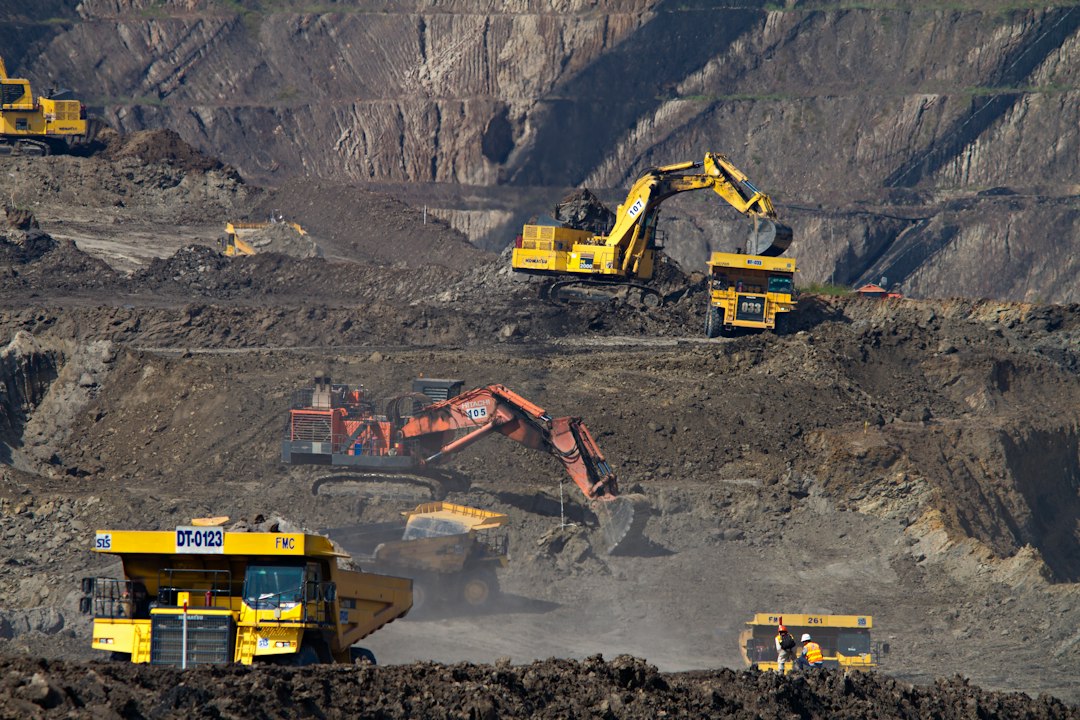
Mining careers are geographically uneven. Ontario and Quebec have major mineral belts and processing activity. Saskatchewan is important for potash and uranium. British Columbia has significant metal and coal mining. Newfoundland and Labrador, Manitoba and the territories also have major operations and projects. Remote locations can involve camp schedules, fly-in/fly-out arrangements or relocation, so compensation should be evaluated alongside schedule, housing, travel and lifestyle.
How to read a major mining-project announcement
GoHires project-to-job signal
Announcement: useful for long-range awareness, weak hiring signal.
Feasibility and financing: engineering, environmental, procurement and project roles may grow.
Permitted or final investment decision: construction probability becomes more meaningful.
Construction: strongest signal for trades, contractors, project controls and safety.
Commissioning: transition from project workforce toward operating workforce.
Production: operations, maintenance, processing and technical-services hiring becomes the durable focus.
This is why GoHires tracks project status in the Canada Investment & Jobs Tracker. A projected job count attached to an early announcement should never be treated as the same thing as an open vacancy.
Skills and credentials that can matter
The right credential depends on the occupation. Engineering and geoscience can be regulated professions. Skilled trades may involve apprenticeship, provincial certification and Red Seal pathways. Mine sites can also require safety training and employer-specific qualifications. Readers considering a trade should start with the GoHires Skilled Trades Careers in Canada guide.
For technical workers, useful complementary skills can include industrial controls, instrumentation, maintenance planning, reliability, data analysis, GIS, mine-planning software and cybersecurity for operational technology. The exact value depends on the role and employer.
A practical 30-day mining career plan
- Week 1: choose one occupational pathway and identify whether it is regulated or apprenticeship-based.
- Week 2: compare Job Bank wages and outlooks across the provinces where mining activity is concentrated.
- Week 3: build a watchlist of operating mines, advanced projects, engineering firms and contractors. Record each project’s stage rather than relying on headlines.
- Week 4: update your resume around verified transferable skills, create employer alerts and identify the single credential or skill gap most likely to improve your candidacy.
Risks and trade-offs
Mining can offer strong compensation, but workers should account for commodity cycles, project delays, remote locations, shift work, safety demands and the difference between construction contracts and permanent operations roles. A project can be fully announced yet still face financing, regulatory, Indigenous consultation, engineering or market risks. Career decisions should not depend on one proposed mine.
Frequently asked questions
Do you need a university degree to work in mining?
No. Mining employs degree-qualified professionals, college-trained technicians, apprentices and experienced tradespeople, operators and support workers. Requirements depend on the occupation.
Are critical-minerals projects already hiring?
Some operating mines and projects in construction hire now, while early-stage projects may not. Verify the project stage and employer careers page before treating a projected job number as an opportunity.
Is mining only an underground career?
No. The sector includes exploration, open-pit and underground mining, processing, engineering, maintenance, environmental work, logistics, technology, corporate functions and reclamation.
Sources and methodology
- Natural Resources Canada: critical minerals workforce and compensation
- Employment and Social Development Canada: Mining and Minerals Workforce Alliance
- Natural Resources Canada: Critical Minerals Production Alliance
- Job Bank: mining engineer wages
- Job Bank: industrial electrician wages
- Job Bank: heavy equipment mechanic wages
Editorial note: GoHires separates project investment, government forecasts and projected employment from verified current vacancies. This page is intended for career planning and will be updated as workforce data, wages and major projects change.