


Searching for your first Canadian job as an international student can feel overwhelming when every posting seems to require permits and regulatory proof. Securing a legitimate entry-level position means understanding both employer expectations and the steps tied to a formal job offer, like the Temporary Work Permit that requires a verified offer from a Canadian employer. This guide helps you make sense of the process so you can move forward with confidence and avoid common pitfalls in your job search.
Table of Contents
- How Job Offers Work In Canada
- Types Of Job Offers For Students
- Legal Requirements And Immigration Rules
- Employer Responsibilities And Candidate Rights
- Common Mistakes To Avoid When Accepting
Key Takeaways
| Point | Details |
|---|---|
| Understanding Work Permits | International students must navigate various work permit types, each with unique regulations and limitations that impact employment opportunities. |
| Employer Responsibilities | Employers must comply with legal obligations, ensuring fair treatment and safe working conditions for international students. |
| Avoiding Mistakes | Students should conduct thorough research and evaluate job offers carefully to avoid potential legal and professional pitfalls. |
| Networking Importance | Building professional connections before job searching can significantly improve prospects for securing desirable positions in Canada. |
How Job Offers Work in Canada
Understanding job offers in Canada as an international student requires navigating complex employment regulations and permit requirements. International students seeking employment must comprehend the intricacies of work authorization and employer expectations specific to the Canadian labor market.
Canadian job offers typically involve obtaining a Temporary Work Permit, which allows foreign nationals to work for a specific employer under predetermined conditions. Temporary work permits are usually tied to specific job roles and have defined duration limits. These permits require employers to demonstrate that hiring a foreign worker will not negatively impact the Canadian labor market, a process known as the Labour Market Impact Assessment (LMIA).
For international students, job offers often emerge through university career centers, internship programs, or specialized job platforms targeting foreign talent. Job Bank listings with LMIA approval provide verified opportunities that support work permit applications. Employers must prove they cannot find suitable Canadian candidates for the position and that the international student possesses unique skills beneficial to the organization.
The job offer process involves several critical steps: securing a formal job offer letter, obtaining necessary work permits, and ensuring compliance with Canadian immigration regulations. Students must carefully review employment contracts, understand wage structures, and confirm their eligibility for specific work authorization categories.
Pro tip: Start networking and building professional connections six months before your intended work start date to maximize your chances of securing a competitive job offer in Canada.
Types of Job Offers for Students
International students in Canada encounter diverse job offer opportunities that align with their academic backgrounds and career aspirations. Understanding these varied job offer types is crucial for navigating the Canadian employment landscape and maximizing professional development potential.
One primary pathway for international students is the Post-Graduation Work Permit (PGWP) program, which allows graduates from eligible educational programs to work in Canada for up to three years after completing their studies. These job offers typically provide opportunities in students’ fields of study, creating a direct bridge between academic training and professional experience. The PGWP enables students to gain valuable Canadian work experience, which can significantly enhance their prospects for permanent residency.
Additional job offer categories include Cooperative Work Permits, Part-Time On-Campus Jobs, and specialized opportunities through International Experience Canada’s Young Professionals Program. These programs cater to different student needs, offering flexible work arrangements that complement academic commitments. Part-time positions, internships, and co-op placements represent strategic options for international students seeking professional exposure while maintaining their study requirements.
The Canadian job market distinguishes between several job offer types for students, including:
- Internship positions with potential pathway to permanent employment
- Seasonal and temporary work opportunities
- Co-operative education placements
- Research assistant roles
- On-campus student employment
Pro tip: Research and apply for job opportunities at least three months before your work permit expires to maintain continuous legal employment status in Canada.
Here’s a quick overview comparing major work permit options for international students in Canada:
| Permit Type | Who Qualifies | Maximum Duration | Career Impact |
|---|---|---|---|
| Temporary Work Permit | Job offer from employer | Varies by contract | Industry-specific exposure |
| Post-Graduation Work Permit | Graduate of eligible program | Up to 3 years | Leads to permanent residency |
| Cooperative Work Permit | Enrolled in co-op program | Program-defined | Academic and workplace skills |
| International Experience | Young professionals (18-35) | Up to 2 years | Global networking potential |
Legal Requirements and Immigration Rules
Navigating the complex landscape of Canadian immigration regulations is crucial for international students seeking employment. The legal framework surrounding work opportunities involves multiple layers of compliance and careful adherence to specific governmental guidelines.

Eligibility for work permits depends on several critical factors, including educational program recognition, study permit conditions, and compliance with immigration policies. International students must maintain full-time enrollment in designated learning institutions and meet specific program length requirements to qualify for post-graduation work opportunities. These regulations ensure that foreign students contribute meaningfully to the Canadian labor market while maintaining the integrity of immigration processes.
International students must satisfy multiple legal requirements to work in Canada, which include:
- Holding a valid study permit
- Maintaining Good Academic Standing
- Completing an eligible program at a designated learning institution
- Passing medical examinations
- Demonstrating financial stability
- Obtaining necessary work authorization documents
The International Experience Canada program provides additional pathways for young professionals, requiring applicants to meet specific age, educational, health, and character requirements. These legal frameworks are designed to protect both international students and the Canadian job market by ensuring that work permits are issued to qualified candidates who can contribute to the national economy.
Pro tip: Always maintain copies of all immigration documents and track your permit expiration dates to prevent unintentional violations of immigration regulations.
Employer Responsibilities and Candidate Rights
Canadian employment laws create a robust framework that protects both international students and employers, ensuring fair and transparent workplace interactions. Understanding these mutual obligations is crucial for successfully navigating the professional landscape.
Employer responsibilities in Canada encompass a wide range of legal and ethical obligations. Employers must verify work authorization status, provide fair compensation, and maintain safe working conditions for international students. This includes adhering to labor standards that prohibit discrimination and ensure equal treatment regardless of an employee’s immigration status.
Key employer responsibilities include:
- Verifying work permit validity
- Providing clear job descriptions
- Maintaining a Non-Discriminatory Workplace
- Paying at or above minimum wage
- Ensuring workplace safety
- Respecting employment contract terms
- Protecting employee rights under Canadian labor laws
International students have specific rights that protect them from potential workplace exploitation. Workplace standards mandate that employers provide meaningful supervision, clear job expectations, and professional development opportunities. These guidelines ensure that international students receive fair treatment, meaningful work experience, and opportunities for skill development while maintaining their legal status in Canada.
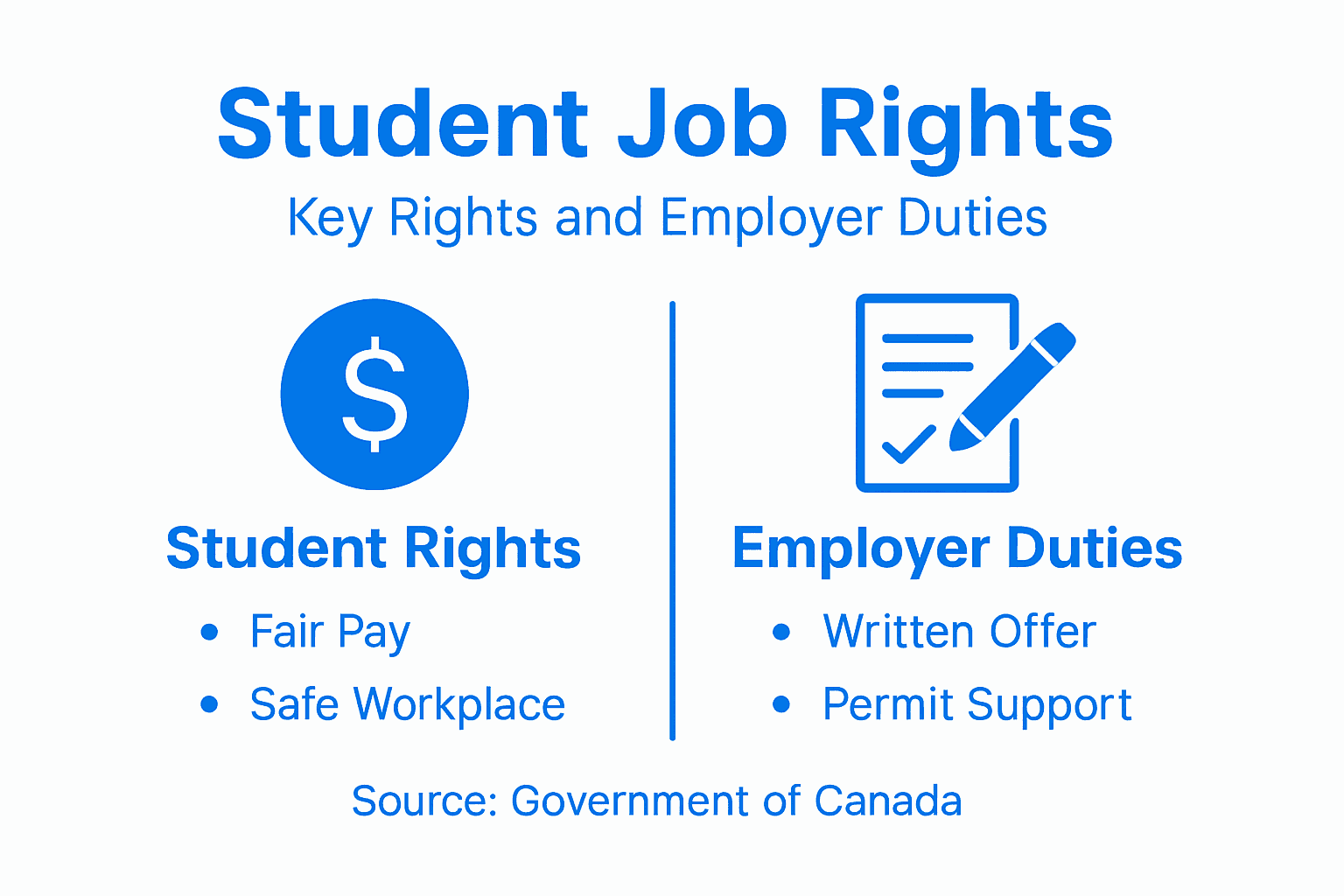
Pro tip: Always request a written job offer and carefully review all terms before accepting a position to protect your rights as an international student worker.
Below is a summary of key employer obligations and student rights in Canadian workplaces:
| Employer Obligation | Student’s Protected Right | Why it’s Important |
|---|---|---|
| Pay minimum legal wage | Fair compensation | Supports financial stability |
| Provide safe environment | Physical work safety | Prevents accidents and harm |
| Non-discriminatory conduct | Equal opportunity | Reduces risk of exploitation |
| Clear contract terms | Informed consent | Ensures legal and transparent work |
Common Mistakes to Avoid When Accepting
Navigating job offers as an international student in Canada requires careful consideration and strategic decision making. Understanding potential pitfalls can significantly impact your professional trajectory and legal work status.
Common job acceptance mistakes can create long-lasting complications for international students. These errors often stem from inadequate research, hasty decision making, or incomplete understanding of work permit restrictions. Critical mistakes include accepting positions that do not align with your study permit conditions or failing to verify the employer’s legal obligations.
Key mistakes international students frequently encounter include:
- Accepting jobs without verifying work permit compatibility
- Overlooking Visa Work Restrictions
- Neglecting to confirm employment contract details
- Failing to understand salary and benefits structure
- Not researching company reputation and work culture
- Ignoring potential immigration pathway implications
- Accepting positions without negotiating terms
Professional offer acceptance strategies emphasize the importance of thorough evaluation before committing. International students should conduct comprehensive research, ask detailed questions about role expectations, and understand how the position fits into their long-term career and immigration objectives. Rushing into an offer without careful consideration can potentially jeopardize future opportunities and legal work status in Canada.
Pro tip: Create a comprehensive checklist of work permit requirements and job offer details before making a final decision to ensure complete alignment with your professional and immigration goals.
Find Your Ideal Job Offer in Canada with Gohires
Navigating the complex landscape of job offers in Canada can be overwhelming, especially when you must consider work permits, employer responsibilities, and legal requirements. Whether you are searching for internships, temporary work permits, or positions qualifying for the Post-Graduation Work Permit program, having a reliable platform that connects you to verified Canadian employers is essential. Gohires.com understands these challenges and offers a centralized job search experience tailored specifically for international students seeking legitimate opportunities that align with your study permit conditions and career goals.
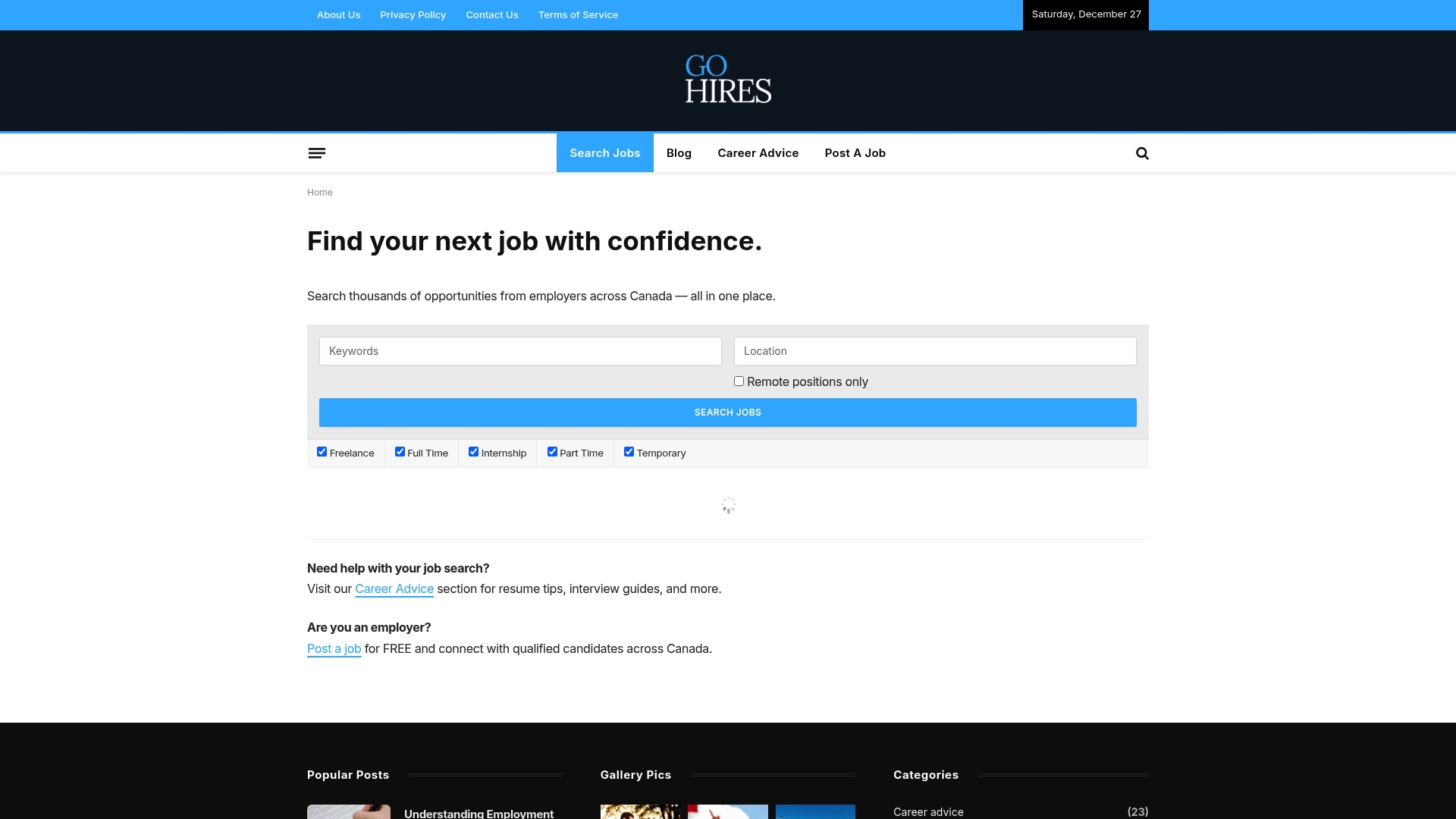
Start your Canadian employment journey today by exploring the diverse listings on Gohires.com. Benefit from a user-friendly site that lets you search by job type, location, and keywords, making it easier to find positions that support your work authorization needs. Gain confidence knowing employers on the platform respect labor standards and that you can access helpful career advice all in one place. Don’t wait until your permit expires or miss out on valuable job offers. Visit Gohires.com now and take control of your professional future in Canada.
Frequently Asked Questions
What is a Temporary Work Permit in Canada?
A Temporary Work Permit allows foreign nationals to work for a specific employer under predetermined conditions. It is usually tied to specific job roles and has defined duration limits.
How do international students find job offers in Canada?
International students can find job offers through university career centers, internship programs, and job platforms that target foreign talent. Job Bank listings with LMIA approval are also valuable resources.
What rights do international students have when working in Canada?
International students have rights that protect them from workplace exploitation, including the right to fair compensation, safe working conditions, and clear job expectations. Employers must adhere to Canadian labor laws that support these rights.
What common mistakes should international students avoid when accepting a job offer?
International students should avoid accepting jobs without verifying work permit compatibility, overlooking visa work restrictions, not confirming employment contract details, and failing to understand the salary and benefits structure.