


Most international students and recent graduates in Canada feel overwhelmed by unfamiliar job search steps, especially when compared to the American process. More than 60 percent say Canadian application requirements confuse them, yet mastering these essentials leads to far better results. By understanding which documents you need and how to prepare them, you can confidently compete for full-time roles and move closer to your career goals.
Table of Contents
- Step 1: Prepare Essential Documents And Credentials
- Step 2: Identify Suitable Job Opportunities Online
- Step 3: Customize Your Resume And Cover Letter
- Step 4: Submit Effective Job Applications
- Step 5: Verify Application Status And Follow Up
Quick Summary
| Key Insight | Explanation |
|---|---|
| 1. Obtain Your Social Insurance Number | Essential for legal employment and accessing benefits; get it from Service Canada immediately. |
| 2. Tailor Your Resume and Cover Letter | Highlight specific achievements and use Canadian standards; customize for each application to meet employer expectations. |
| 3. Use Multiple Job Search Platforms | Leverage government resources, specialized job boards, and company websites to maximize job opportunities. |
| 4. Follow Application Instructions Carefully | Adhere to specific submission requirements, including requested documents, to avoid disqualification from the hiring process. |
| 5. Track Applications and Follow Up | Maintain a record of submissions and follow up respectfully after one to two weeks to express continued interest. |
Step 1: Prepare essential documents and credentials
Gearing up for your Canadian job search means organizing critical paperwork that will establish your professional identity. Understanding which documents you need and how to present them will significantly improve your chances of landing employment in Canada.
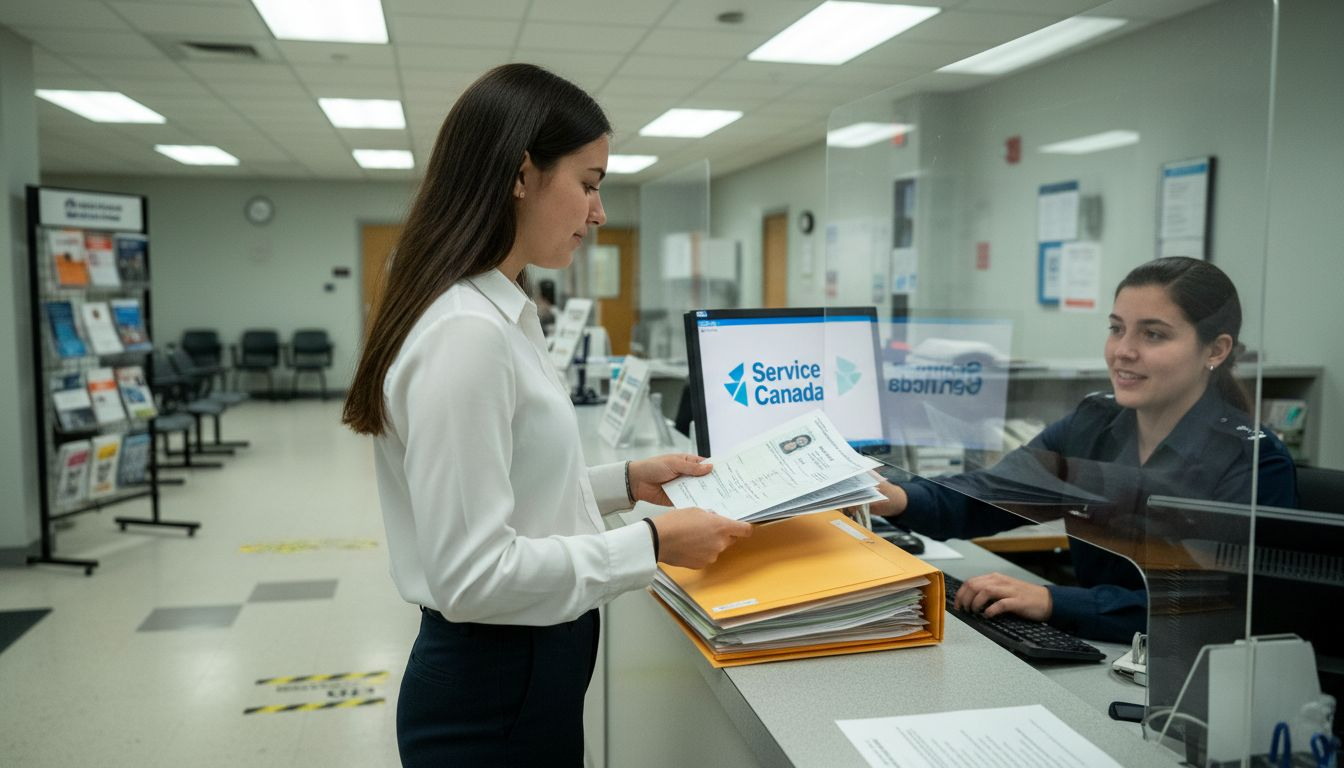
Start by obtaining your Social Insurance Number from Service Canada as soon as possible after arriving. This nine digit number is mandatory for working legally and accessing government employment benefits. Next, create a resume and cover letter tailored specifically to Canadian professional standards. Professional resume formats in Canada typically emphasize clear, concise language and highlight specific achievements rather than just listing job responsibilities.
Research whether your specific profession requires professional licensing or certification. Many regulated industries like healthcare, engineering, and teaching demand verification of international credentials through official assessment processes. Immigrant support organizations can provide targeted assistance with credential translation and professional registration requirements. Some offer free workshops and counseling to help newcomers navigate these complex bureaucratic steps.
Pro tip: Create digital and physical copies of all important documents like educational certificates, professional licenses, and identification to streamline your job application process and have backups readily available.
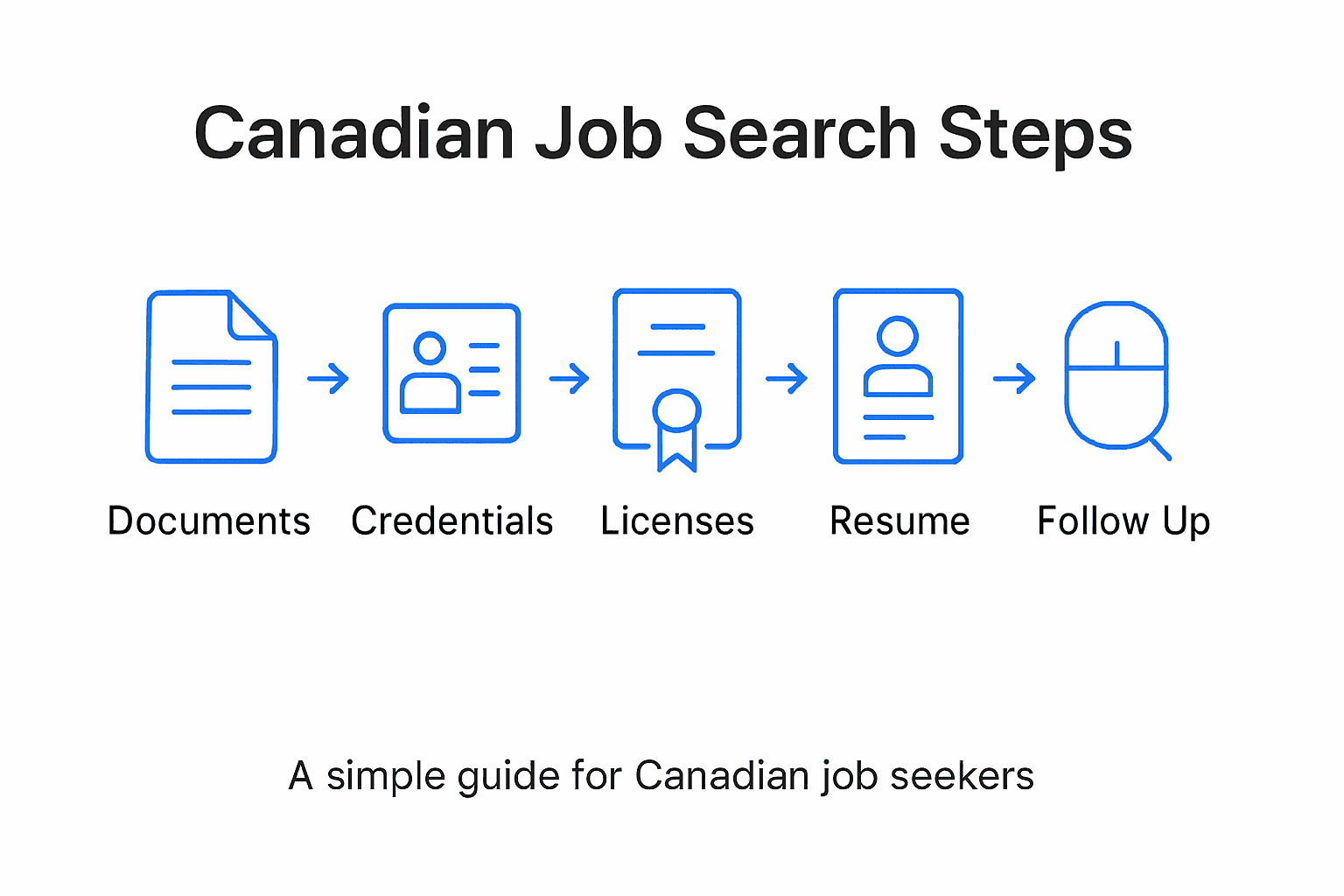
Here’s a summary of the types of documents and credentials essential for a Canadian job search:
| Document Type | Purpose | Where to Obtain |
|---|---|---|
| Social Insurance Number | Legal work and government benefits | Service Canada offices |
| Resume (Canadian format) | Present skills and achievements | Self-created or career centers |
| Credential Assessments | Validate international qualifications | Professional regulators |
| Professional Licenses | Work in regulated industries | Regulatory bodies |
| Reference Letters | Support application with references | Previous employers |
Step 2: Identify suitable job opportunities online
Successfully finding a job in Canada requires strategic online research and utilizing multiple digital platforms to maximize your employment prospects. Your goal is to systematically explore job opportunities that match your professional background and skills.
Start by exploring comprehensive job search resources provided by the Government of Canada. These official platforms offer robust search tools connecting job seekers with potential employers across various industries. Beyond government websites, leverage specialized job boards like LinkedIn, Indeed, and sector specific professional networks relevant to your field. Many Canadian employers prefer candidates who demonstrate proactive job search strategies, so create comprehensive online profiles that highlight your international experience and qualifications.
Develop a systematic approach to online job searching by setting up email alerts, customizing search parameters, and tracking application submissions. Research company websites directly as many organizations post positions exclusively on their own platforms. Professional associations in your industry may also provide exclusive job boards or recruitment channels that are not widely advertised.
Pro tip: Create a dedicated spreadsheet to track job applications, including company name, position, application date, and follow up notes to maintain an organized and professional job search process.
Compare key online resources for finding jobs in Canada:
| Resource Type | Example Platforms | Main Advantage |
|---|---|---|
| Government sites | Job Bank, GC Jobs | Trusted, verified positions |
| General job boards | Indeed, Workopolis | Wide industry coverage |
| Professional sites | LinkedIn, industry sites | Networking and tailored jobs |
| Company websites | Corporate careers pages | Direct employer outreach |
Step 3: Customize your resume and cover letter
Successfully landing a job in Canada requires crafting documents that speak directly to employers expectations and showcase your unique professional value. Your resume and cover letter are your primary marketing tools for presenting your skills and experience in a way that resonates with Canadian hiring managers.
Start by understanding Canadian resume standards, which emphasize clarity, conciseness, and direct alignment with job requirements. Carefully analyze each job description and strategically incorporate keywords that match the position. Highlight specific achievements and quantifiable results rather than simply listing job duties. Your cover letter should complement your resume by providing context about your professional background and explaining why you are an exceptional candidate for the specific role.
Tailor each application package to the individual employer by researching their organization and demonstrating how your unique skills and international experience can contribute to their team. Use a clean professional format that is easy to read and avoid including personal details like age or marital status. Focus on creating a narrative that shows progression in your career and demonstrates your potential value to prospective Canadian employers.
Pro tip: Request feedback on your resume and cover letter from local professionals or immigrant support organizations to ensure your documents meet Canadian professional standards and effectively communicate your qualifications.
Step 4: Submit effective job applications
Submitting job applications in Canada requires precision and strategic attention to detail. Your goal is to present a polished professional package that demonstrates your suitability for the position and sets you apart from other candidates.
Carefully follow application procedures that each employer specifies. Some companies prefer online submissions through their website, while others might request email applications or specific document formats. Ensure you include all requested materials such as your resume, cover letter, references, identification documents, and any additional certifications or language proficiency proof. Pay close attention to file naming conventions and submission guidelines to avoid automatic disqualification.
Maintain a professional approach by double-checking all application materials for accuracy, formatting consistency, and alignment with the job description. Create a systematic tracking method to monitor application dates, follow up timelines, and potential communication from employers. Always proofread your documents for grammar and spelling errors, and consider having a local professional review your application materials to ensure they meet Canadian workplace standards.
Pro tip: Create a dedicated email address and voicemail greeting that sounds professional and includes your full name to ensure employers can contact you easily and take your application seriously.
Step 5: Verify application status and follow up
Navigating the job application process requires strategic patience and professional communication. Your goal is to demonstrate continued interest while maintaining a respectful approach to potential employers.
Understanding appropriate follow up strategies is crucial for international job seekers in Canada. Create a systematic tracking method for all submitted applications, recording the date of submission, position applied for, and expected response timeframes. Wait approximately one to two weeks after applying before sending a polite follow up email inquiring about your application status. When reaching out, reference the specific job posting, briefly restate your key qualifications, and express continued enthusiasm for the role.
Develop a professional communication strategy that demonstrates respect for the employer’s time. Use a concise and courteous tone in all follow up correspondence, and be prepared for varied response times across different organizations. Some employers may respond quickly, while others might take several weeks to review applications. Maintain a positive attitude and continue applying to multiple positions simultaneously to maximize your opportunities.
Pro tip: Create a dedicated spreadsheet to track application dates, follow up communications, and employer responses to help you manage multiple job applications efficiently and professionally.
Boost Your Canadian Job Search with Gohires
Finding the right job in Canada can feel overwhelming especially when you face challenges like tailoring your resume, navigating application processes, or tracking your submissions. This guide highlights critical steps such as preparing essential documents, customizing your resume, and following up effectively. Overcome these hurdles confidently by using a platform designed to streamline each of these phases in your job search.
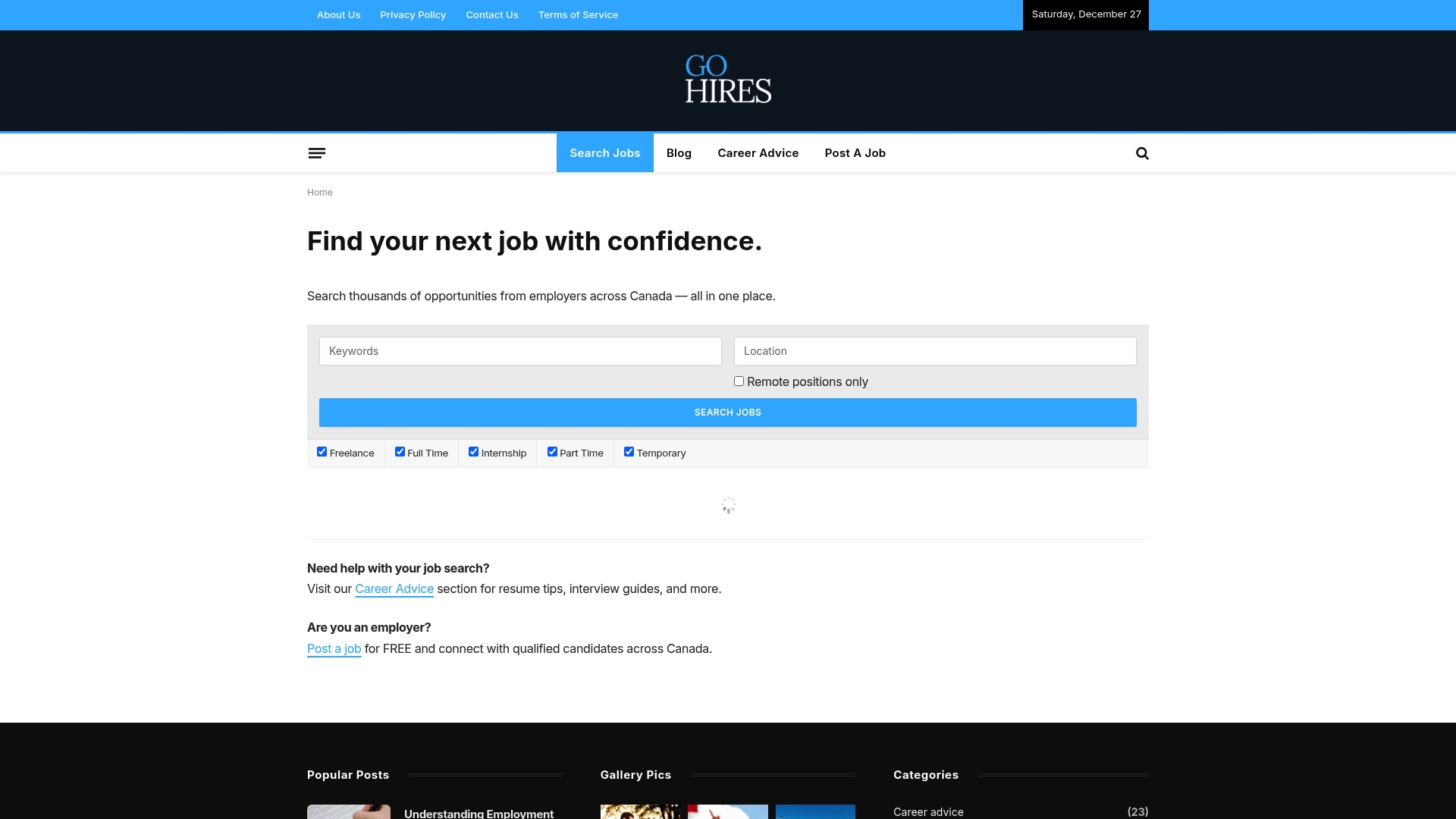
Visit Gohires today to access a comprehensive range of Canadian job listings searchable by location and employment type. Benefit from tools that help you organize your applications and expert advice on crafting resumes and cover letters tailored to Canadian employers. Don’t wait to turn your goals into offers – explore trusted job opportunities, optimize your application strategy, and take control of your career path now.
Frequently Asked Questions
What documents do I need to start my job search in Canada?
You will need a Social Insurance Number, a Canadian-style resume, and, if applicable, professional licenses or credential assessments. Prepare digital and physical copies of your essential documents, such as educational certificates and identification, to streamline your application process.
How do I customize my resume and cover letter for Canadian jobs?
Tailor your resume and cover letter by analyzing job descriptions and incorporating relevant keywords that match each position. Highlight measurable achievements rather than just duties, and ensure both documents follow Canadian professional standards to increase your chances of getting noticed.
What are some effective job search strategies for finding Canadian jobs?
Utilize a variety of online platforms, including government job boards and sector-specific websites, to expand your search. Set up job alerts and create a dedicated tracking system to monitor your applications and follow up accordingly to demonstrate your ongoing interest.
How can I follow up on my job applications in Canada?
Wait about one to two weeks after submitting your application to follow up with a polite email expressing your interest in the position. Reference the specific job title and briefly restate your qualifications, ensuring your communication remains respectful and professional.
What should I do if my profession requires licensing in Canada?
Research whether your profession needs specific licensing or credential assessments, and start this process early. Contact the relevant regulatory bodies to understand how to validate your international credentials and meet Canadian requirements, ensuring a smoother entry into your field.