


Landing your first full-time job in the Canadian tech or finance industry can feel overwhelming, especially when every connection seems out of reach. Many recent graduates struggle to figure out where to meet the right people or how to stand out among thousands of applicants. By focusing on building authentic professional relationships and cultivating a strong online presence, you can transform your job search from isolating to strategic, tapping into hidden opportunities that open doors to meaningful roles.
Table of Contents
- Step 1: Identify Key Professional Groups And Events
- Step 2: Craft A Standout LinkedIn Profile And Online Presence
- Step 3: Engage Proactively On Networking Platforms
- Step 4: Connect Directly With Industry Insiders
- Step 5: Track Outreach And Follow Up Strategically
Quick Summary
| Key Point | Explanation |
|---|---|
| 1. Identify strategic networking groups | Research and join professional organizations that align with your career goals to meet relevant contacts and enhance your network effectively. |
| 2. Optimize your LinkedIn profile | Create a compelling LinkedIn profile that highlights your skills, achievements, and professional identity to capture the attention of recruiters. |
| 3. Engage actively on networking platforms | Participate in discussions, contribute insights, and build connections through engagement on forums and social media to establish your presence in the industry. |
| 4. Reach out to industry insiders | Connect with professionals in your desired field for informational interviews, which can lead to guidance, mentorship, and potential job opportunities. |
| 5. Track outreach and follow-up | Use a tracking system to record your connections and follow up appropriately, reinforcing relationships and staying visible in your network. |
Step 1: Identify key professional groups and events
Finding the right professional groups and events is the foundation of effective networking. This step involves researching which organizations align with your career goals, industry focus, and geographic location. Instead of randomly attending events, you want to be strategic about where you invest your time. By identifying groups that match your interests, you’ll meet people who actually understand your career path and can offer meaningful connections rather than awkward small talk with strangers.
Start by searching for industry-specific organizations in your city or region. If you’re in Toronto and interested in tech, look for groups like TechTO where you can connect with founders and engineers. For finance professionals, organizations like CFA Society Toronto offer structured networking with people pursuing similar career trajectories. The same principle applies whether you’re in Vancouver, Montreal, Calgary, or any other Canadian city. You can search online by typing “professional groups networking events Toronto” or your specific city and industry combination. LinkedIn is also incredibly useful for this phase. Search for groups related to your field, browse their member lists, and check out their upcoming events. Many groups post their schedules several months in advance, so you can plan ahead rather than scrambling last minute.
Don’t limit yourself to just one or two groups. Aim to identify at least five to ten organizations that seem relevant to your background and goals. This gives you flexibility depending on what’s happening each month and helps you build relationships across different communities. Look for groups that offer a mix of event types: monthly socials for casual networking, quarterly conferences for deeper learning, and educational workshops that teach relevant skills. Some groups require membership or registration, while others are free and open to anyone. Check the membership requirements and costs before committing. You should also note the typical event schedule, size, and demographics so you know what to expect when you actually attend.
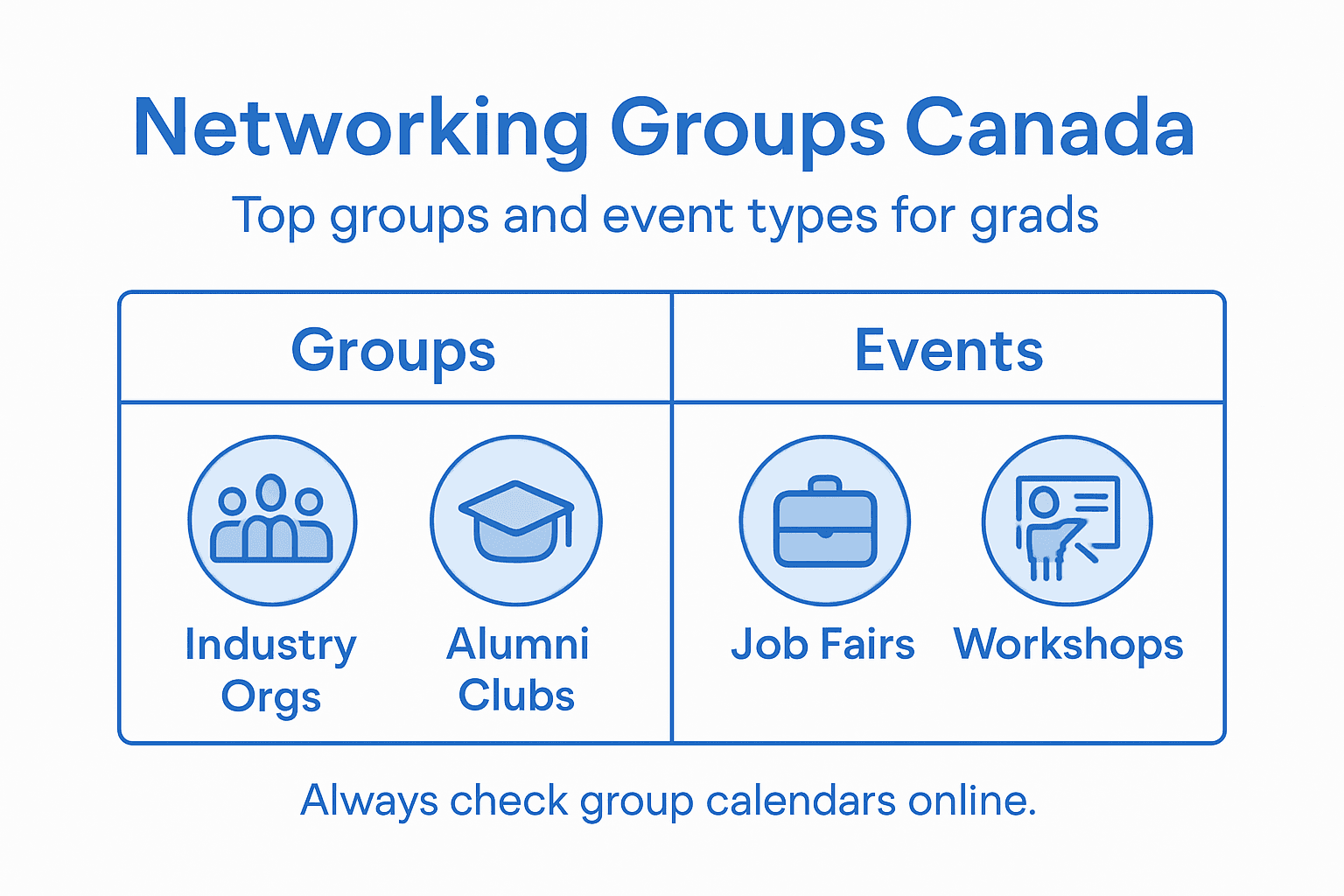
Here is a summary of types of professional groups and events to consider:
| Group/Event Type | Typical Audience | Networking Value |
|---|---|---|
| Industry Associations | Experienced professionals | Strategic, career-aligned leads |
| Meetup Groups | Diverse backgrounds | Casual conversations, local peers |
| Conferences & Summits | Industry leaders, experts | Deep learning, key introductions |
| Workshops & Seminars | Skill-focused participants | Practical skills, direct contacts |
| University Alumni Clubs | Graduates and students | Warm introductions, job referrals |
Pro tip Bookmark a calendar with upcoming events from your identified groups at least two months in advance, so you can commit to attending with purpose rather than treating networking as an afterthought.
Step 2: Craft a standout LinkedIn profile and online presence
Your LinkedIn profile is often the first impression recruiters have of you, especially in Canada’s competitive job market. This step involves building a profile that showcases your skills, achievements, and professional personality in a way that makes hiring managers want to learn more about you. A well-crafted profile doesn’t just list your work history; it tells a compelling story about who you are as a professional and where you’re headed in your career.
Start by uploading a professional headshot that matches the tone of your industry. For tech and finance roles, a clean, well-lit photo in business casual attire works well. Your headline is your first chance to grab attention, so skip the generic “Recent Graduate at University Name” and instead write something that highlights what you actually do or want to do. For example, “Software Developer | Python & JavaScript | Recently Graduated” immediately tells people your skill set. Write your summary in the first person and focus on your career goals, transferable skills, and what makes you different from other candidates. Include specific numbers and achievements whenever possible. Instead of saying “worked on multiple projects,” try “contributed to three web applications using React that improved user engagement by 42%.” Professional photo and headline details matter significantly in attracting recruiter attention. Personalize your LinkedIn URL to something clean like linkedin.com/in/yourname rather than the default string of numbers. This makes your profile easier to share and looks more professional when you include it on resumes or in emails.

Fill out the experience section with detailed descriptions of your internships, volunteer work, projects, and academic roles. Use concrete examples and quantified results wherever possible. If you led a team project, mention the team size and outcomes. If you improved a process, include the percentage or time savings. Don’t leave the skills section blank either. Add the technical and soft skills that match the jobs you’re targeting. Then engage consistently with content in your field by liking, commenting on, and occasionally sharing posts from industry leaders. This activity keeps your profile visible and shows you’re actively engaged in your profession. The goal isn’t to become an influencer; it’s simply to demonstrate genuine interest in your industry.
Use this table to quickly reference the main components of a standout LinkedIn profile:
| Section | Key Focus | Business Impact |
|---|---|---|
| Headshot | Industry-appropriate, professional | Strong first impression |
| Headline | Relatable, skill-oriented | Attracts relevant recruiters |
| Summary | First person, highlights goals | Differentiates from other candidates |
| Experience | Detailed, quantified achievements | Shows proven value |
| Skills | Job-targeted, both hard and soft | Ranks higher in searches |
| Engagement | Liking, commenting, sharing posts | Increases visibility in network |
Pro tip Update your LinkedIn headline and summary to match the specific role or industry you’re targeting, then change them back after landing interviews with companies in different sectors. This allows you to appear highly relevant to different hiring managers without maintaining multiple profiles.
Step 3: Engage proactively on networking platforms
Having a polished profile means nothing if you’re sitting passively waiting for opportunities to come to you. This step is about becoming an active participant in your professional communities rather than just existing as a profile in the background. Genuine engagement on networking platforms builds visibility, establishes your expertise, and creates meaningful connections that can lead directly to job opportunities.
Start by joining industry-specific groups on LinkedIn that match your career interests. If you’re targeting tech roles, join groups focused on software development, startups, or your specific programming languages. For finance roles, look for groups centered on investment banking, fintech, or accounting. Once you’ve joined, don’t just lurk. Spend 15 to 20 minutes each week engaging with discussions by commenting thoughtfully on posts, asking genuine questions, and sharing relevant articles from your field. When someone posts about a challenge they’re facing, offer your perspective or experience. When a recruiter or industry leader shares insights, comment with a genuine reaction that shows you’ve actually read the content. Consistent engagement with industry groups and discussions demonstrates that you’re serious about your career and keeps your profile visible to people who matter in your industry. The key is authenticity. Generic comments like “Great post!” don’t accomplish anything. Specific, thoughtful contributions show you have something valuable to add.
Beyond group participation, create your own content periodically. You don’t need to post every day, but sharing insights about projects you’ve completed, lessons you’ve learned, or industry trends you’ve noticed positions you as someone who thinks critically about your field. Share articles with your own commentary about why you found them interesting or how they apply to your work. Connect with people you meet at events or through your network, and when you do, include a personalized message instead of a generic connection request. Something like “I enjoyed our conversation about machine learning at TechTO last week” is far more memorable than nothing at all. After connecting with someone new, engage with their recent posts over the next few weeks. This builds a real relationship rather than just adding another number to your connection count. Remember that networking is not about immediate transactional returns; it’s about cultivating authentic relationships where people remember you and think of you when opportunities arise.
Pro tip Set a weekly 30-minute block on your calendar dedicated to networking engagement, treating it with the same importance as job applications. Consistency matters more than sporadic bursts of activity, and this scheduled approach ensures you stay visible without burning out.
Step 4: Connect directly with industry insiders
Engaging in groups and posting thoughtfully gets you noticed, but direct connections with industry insiders accelerate your job search significantly. This step involves reaching out to people who work in roles you want, who lead companies you admire, or who have expertise in your target field. Direct connections can uncover hidden job opportunities, provide mentorship, and lead to referrals that put your resume at the front of the pile.
Start by identifying specific people you want to connect with. Search LinkedIn for professionals at companies where you want to work, look for people with job titles matching your goals, or find speakers from industry events you attended. When you find someone, take time to research their background. Read their recent posts, check out their company’s website, and understand what they actually do. This preparation is crucial because your initial outreach needs to be thoughtful and specific, not generic. Reach out through LinkedIn with a personalized message that shows you’ve done your homework. Instead of “Let’s connect,” try something like “I noticed your recent post about cloud infrastructure at Company X. I’m particularly interested in that space after working on a similar project in my capstone course. I’d love to learn more about your experience transitioning into infrastructure engineering.” This specific, respectful approach shows genuine interest. Understanding Canadian business culture and professional etiquette is important because Canadian professionals typically value politeness, directness, and respect for their time. Keep your initial message brief, genuine, and respectful of their schedule.
Once you connect, don’t immediately ask for a job. Instead, ask for an informational interview of 15 to 20 minutes where you can learn about their career path and get advice on breaking into the industry. Most professionals are happy to share their experience with someone genuinely interested in learning. During the conversation, ask thoughtful questions about their journey, challenges they’ve faced, skills they wish they’d developed earlier, and advice for someone entering the field. Take notes and follow up with a thank you message that references something specific from your conversation. Build these relationships over time by occasionally sharing relevant articles or congratulating them on promotions or company milestones. The goal is to move from stranger to memorable acquaintance to potential advocate. When they remember you positively and a job opening comes up at their company, they’ll think of you and might pass your resume directly to the hiring manager.
Pro tip Aim to have three to five informational interviews scheduled each month, treating them as seriously as actual job interviews. Prepare questions in advance, dress professionally even if it’s virtual, and follow up within 24 hours with a personalized thank you message that references a specific detail from your conversation.
Step 5: Track outreach and follow up strategically
Making initial connections is only half the battle. Without systematic follow-up, those connections fade into the background noise of someone’s inbox. This step involves creating a tracking system that ensures you follow up with the right people at the right time, turning casual contacts into meaningful professional relationships that actually lead to job opportunities.
The most basic approach is to keep a simple spreadsheet or use a note-taking app to record every person you connect with, including their name, company, role, how you met them, and the date of contact. Add a column for notes about what you discussed or what makes them interesting to you. Most importantly, include a follow-up date. If you had an informational interview scheduled for January 15th, mark a follow-up for 48 hours later. Personalized follow-up messages within 48 hours that reference specific details from your conversation create a lasting impression and show genuine interest. Your follow-up shouldn’t be generic. Instead of “Nice talking to you,” write something like “I really appreciated your perspective on breaking into fintech. The advice about building data skills first really resonated with me, and I’m going to check out that Python course you mentioned.” This shows you were actually listening and taking action based on their advice. Beyond the immediate follow-up, schedule additional touchpoints. Maybe you connect with someone from a tech startup in February. After your first follow-up, set a reminder to check in again in three months. When you do, share something valuable. This could be an article about trends in their industry, congratulations on a promotion you noticed, or an update about progress you’ve made on their advice. The goal is to stay on their radar without being annoying.
Use LinkedIn’s reminder feature or your phone’s calendar app to automate this process. Set recurring monthly reminders to review your contact list and identify who you should check in with. If you’re networking consistently, you should be following up with someone almost every week. This prevents the overwhelming feeling of trying to reconnect with dozens of people after months of silence. Track which outreach efforts actually led somewhere. Did connecting with someone from TechTO result in an interview? Note that. Did messaging a cold contact at a specific company lead nowhere? That’s valuable data for refining your approach. Over time, you’ll notice patterns about which strategies work best for you and which types of people are most responsive. Some networking becomes casual and ongoing where you chat every few months just to stay in touch. Other connections might be more transactional but still valuable. Either way, your tracking system keeps you organized and ensures that thoughtful people who invested time in you feel remembered and valued.
Pro tip Create a simple Google Sheet with columns for name, company, date connected, last contact, and next follow-up date, and review it every Sunday evening for five minutes to plan your weekly outreach activities.
Take Charge of Your Canadian Job Search with Gohires.com
Networking for jobs in Canada can feel overwhelming when you do not know where to start or how to keep track of valuable connections. This guide showed how important it is to identify the right professional groups, maintain a standout LinkedIn profile, and follow up strategically. But the challenge remains finding the right job openings that align with your goals after building those connections. Gohires.com makes this step easier by providing a centralized platform to browse thousands of Canadian job listings across locations and industries designed specifically to help job seekers like you turn networking efforts into real employment opportunities.
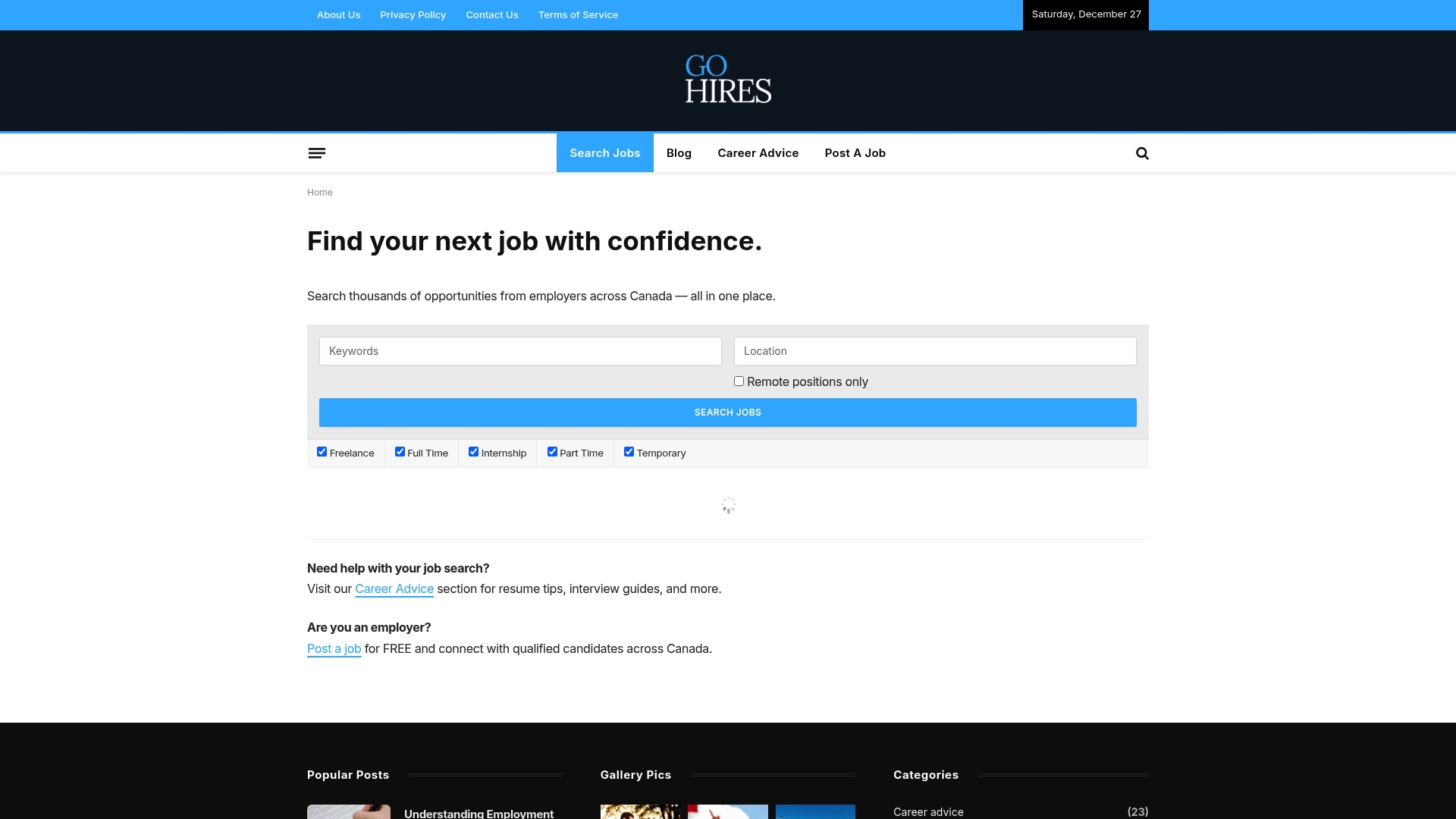
Discover the power of combining your networking strategies with an efficient job search tool. Visit Gohires.com now to explore full-time, part-time, internship, freelance, and temporary roles tailored for graduates and professionals. Maximize your chances by using a platform that values usability and supports your career growth at every step. Don’t wait until new opportunities slip away. Get started today and transform your networking into your next great job.
Explore all job listings at Gohires.com and get the hiring edge you deserve.
Frequently Asked Questions
How can I identify the right professional groups for networking in Canada?
To identify the right professional groups, research organizations that align with your career goals and industry focus. Start by searching online for local groups in your field and aim to find at least five to ten relevant organizations to broaden your networking opportunities.
What should I include in my LinkedIn profile to make it stand out?
Make your LinkedIn profile stand out by showcasing your skills, achievements, and professional personality. Use a professional headshot, write a compelling headline, and include detailed descriptions of your experience, emphasizing quantifiable achievements to attract recruiters.
How do I effectively engage on networking platforms?
Engage effectively by joining industry-specific groups and actively participating in discussions. Spend 15 to 20 minutes each week commenting thoughtfully on posts and sharing relevant articles to demonstrate your interest and expertise.
What should I include in a message when connecting with industry professionals?
When connecting with industry professionals, craft a personalized message that reflects your genuine interest in their work. Reference something specific from their background or recent activities to make your outreach memorable and relevant.
How do I track my networking connections and follow up?
Track your networking connections by maintaining a simple spreadsheet with details like names, companies, and follow-up dates. Schedule reviews of this list weekly to ensure timely follow-ups, keeping your relationships active and meaningful.
How many informational interviews should I aim for each month?
Aim to have three to five informational interviews scheduled each month to maximize your networking efforts. Treat these meetings seriously, preparing questions in advance and following up to build lasting professional relationships.