


Last updated: September 27, 2026. Canada’s AI boom is creating a career market that extends far beyond software engineering. Large data centres need skilled trades, technical support teams, facilities staff, construction crews and project managers before a site can operate.
Meta’s Sturgeon County campus in Alberta represents more than $13 billion of private investment and is expected to employ more than 3,000 construction workers at peak and support more than 300 jobs once operational. In Saskatchewan, Bell’s planned AI Fabric expansion could reach 1.2 gigawatts of capacity and is associated with up to $52.5 billion of capital investment and 4,500 projected jobs across construction, operations, management and related services. These are project and employer projections, not open jobs today.
Quick answer
If you want to work in Canada’s data-centre buildout, think in three layers: build the facility, prepare it for operation, and run it. The largest near-term workforce is often tied to construction. Long-term operations employ fewer people but require specialized technical and facilities skills.
Why data-centre careers are becoming a Canadian opportunity
A data centre is not just an IT workplace. It is also a major construction project and a 24/7 technical facility that depends on multiple trades and operational teams.
GoHires project snapshot
| Project | Investment | Jobs signal | Status |
|---|---|---|---|
| Meta Sturgeon County, Alberta | $13B+ | 3,000+ peak construction, 300+ permanent | Under construction |
| Bell AI Fabric, Saskatchewan | Up to $52.5B | 4,500 projected across multiple categories | Planned expansion |
Career map: build, commission and operate
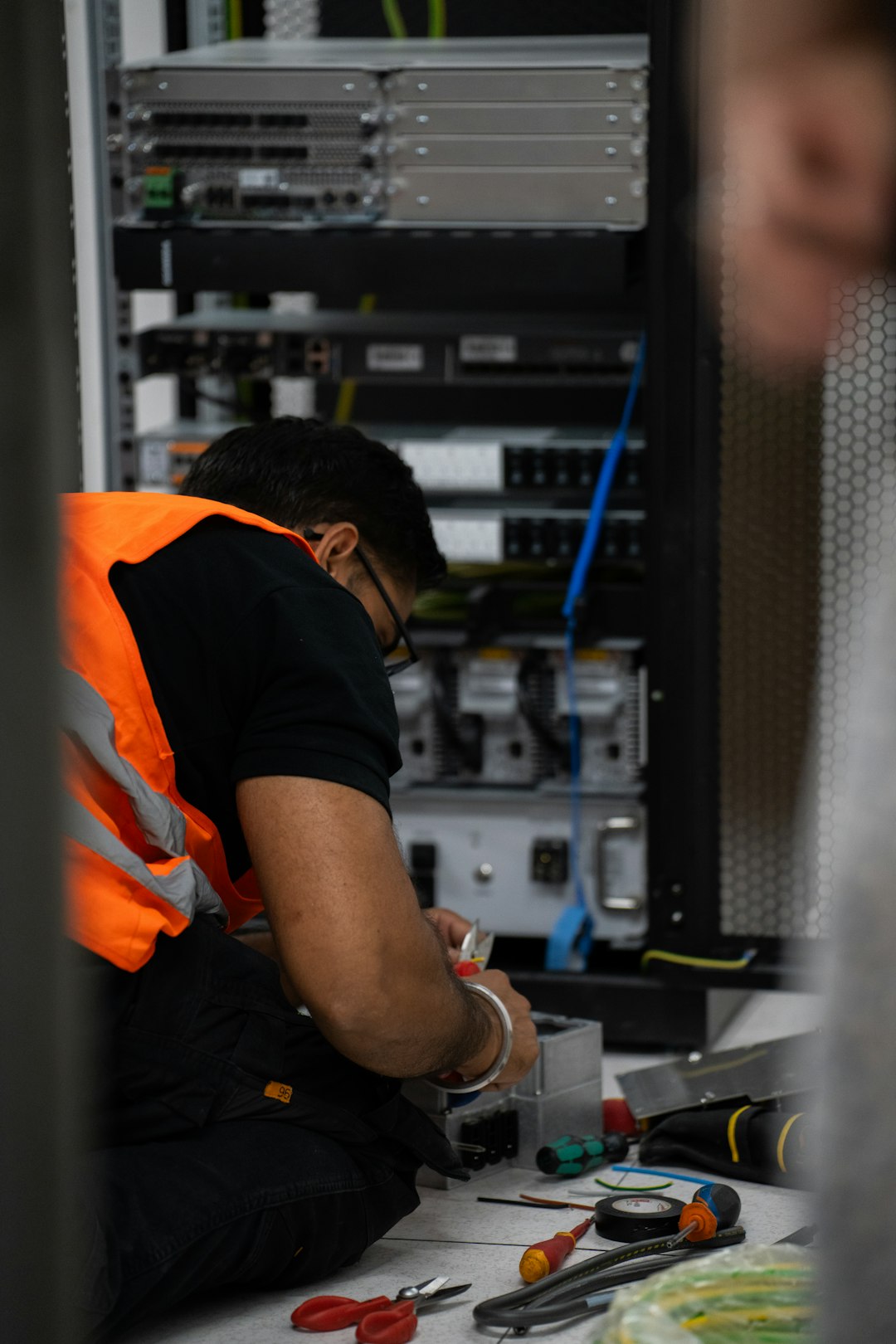
AI data centres create different kinds of work at different stages. Construction brings the largest short-term workforce, commissioning concentrates specialized testing and systems work, and operations create a smaller but recurring workforce once the facility is live.
| Stage | Workforce pattern | Typical roles |
|---|---|---|
| Build | Very high temporary demand | Electricians, HVAC, pipefitters, fibre, civil, safety and project controls |
| Commission | High and specialized | Commissioning specialists, controls, QA, testing and vendor teams |
| Operate | Smaller but recurring | Critical facilities, network technicians, hardware operations, maintenance and management |
GoHires interpretation: job seekers should track project stage, not headline investment alone. A funded project with a named contractor is usually a stronger near-term hiring signal than a proposed project waiting for power, permits or financing.
Construction and skilled trades
The biggest headcount often appears before a facility opens. Large projects need construction workers, electricians, heating and cooling specialists, fibre technicians, safety teams and supervisors. For someone already in the trades, AI infrastructure can be an adjacent market rather than a complete career restart.
Requirements vary by province and trade, so verify apprenticeship, certification and licensing rules where you intend to work.
Operations careers
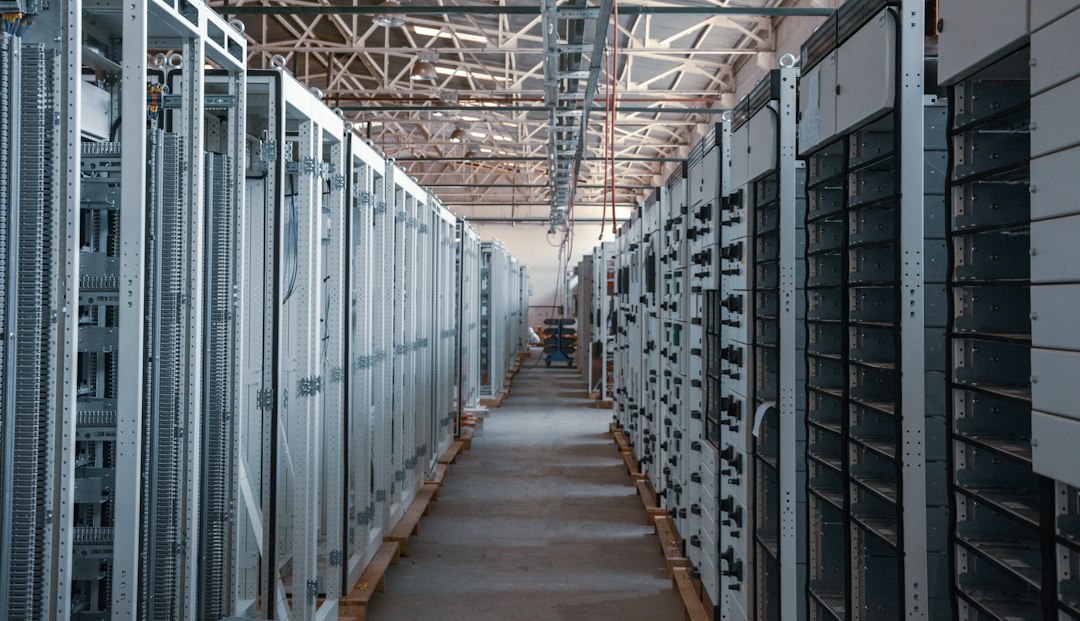
Once a facility is operating, the workforce becomes smaller but more permanent. Common titles include data centre technician, facility technician, hardware technician, operations technician, maintenance technician and operations manager.
Employers typically value structured troubleshooting, hands-on technical experience, accurate documentation and the ability to work safely in a 24/7 environment.
Pay benchmarks in Canada
Government of Canada Job Bank data provides useful occupation-level wage benchmarks for several roles that appear around data-centre projects. These figures are national occupational medians, not employer-specific data-centre salaries. Job Bank’s wage tables were updated November 19, 2025 and primarily use 2023-2024 Labour Force Survey data.
| Occupation | Canada median | Why it matters to data centres |
|---|---|---|
| Cybersecurity specialist | $49.52/hour | Protects networks, systems, identities and operational environments |
| Industrial electrician | $42.00/hour | Supports power distribution, electrical systems and critical infrastructure |
| HVAC and refrigeration mechanic | $37.50/hour | Supports cooling and environmental-control systems |
| Computer network technician | $36.00/hour | Supports network infrastructure, connectivity and operations |
Regional pay can differ materially. For example, Job Bank lists Alberta medians of $44.00/hour for industrial electricians, $40.00/hour for HVAC mechanics and $38.67/hour for computer network technicians. Treat wage data as a benchmark for career comparison, then verify the specific employer, location, shift premium and experience requirements.
Related GoHires resources: Skilled Trades Careers in Canada, Data Center Technician Salary, Cybersecurity Salary Comparison, and the Canada Investment & Jobs Tracker.
Meta’s training program shows how serious the skilled-trades shortage is
Meta has already created a formal training pipeline for the workers needed to build its AI infrastructure. Its America’s Workforce Academy launched in the United States with an initial US$115 million commitment. The program provides no-cost, hands-on skilled-trades training and, according to Meta, graduates receive a job with one of Meta’s contractor partners. Training pathways include roles such as fibre technicians and other construction trades needed to build large data-centre campuses.
Meta says the academy currently launches through U.S. locations and partners, including Louisiana, Ohio, Indiana and Texas. GoHires has not found evidence that Canada’s Sturgeon County project is currently covered by America’s Workforce Academy. Canadian job seekers should therefore not assume they are eligible for the U.S. program.
The bigger career signal is still important. In a recent podcast discussion, Meta CEO Mark Zuckerberg said the company expects to keep building data centres for years and argued that the industry lacks enough fibre technicians, electricians, advanced carpenters and other skilled workers to support that buildout. He described the requirement as potentially hundreds of thousands, and possibly more, additional trained workers. Meta’s own workforce materials similarly say AI infrastructure requires a much larger skilled-trades pipeline.
What this means for Canadian job seekers
- Do not wait for a Canadian Meta academy announcement. The Sturgeon County build is already underway and construction hiring happens through the project delivery ecosystem.
- Watch Frost Collective. Meta identifies the Clark Builders and PCL Construction joint venture as the general contractor for the Alberta campus.
- Watch participating contractor career pages. The official Sturgeon Data Centre site says project-related jobs will be posted through participating companies’ career pages.
- Build transferable trade skills. Electrical, fibre, HVAC/cooling, piping, controls, commissioning, safety and construction-management skills are useful across data-centre projects, not only Meta.
- Watch for a Canadian workforce program. If Meta or its Canadian contractors launch a local training pathway, GoHires will add it to this page.
GoHires interpretation: Meta’s training investment is evidence that the AI infrastructure buildout is creating a workforce constraint, not just a technology constraint. For Canadians, the immediate opportunity is to position existing trade and technical skills for active projects such as Sturgeon County while monitoring whether Meta extends its structured training model to Canada.
Practical next steps
- Choose one career lane instead of trying to cover every role.
- Compare real Canadian job descriptions and note the requirements that repeat most often.
- Check project status regularly because hiring changes as a project moves from planning to construction and operations.
For each role you are considering, make a simple three-column sheet: skills you already have, skills you can learn quickly, and requirements that need formal training. Update your resume around the experience that matches the first column, then choose training only for gaps that appear repeatedly in real postings.
Where should Canadian job seekers watch?
Alberta
Alberta currently has the clearest large-scale construction signal because Meta’s Sturgeon County campus is under construction. The province also has a much larger pipeline of proposed projects, but many remain in planning stages. Treat that pipeline as something to monitor, not as proof that every proposed project will be built.
Frequently asked questions
Do I need an AI degree to work in an AI data centre?
No. Many roles depend on trade, technician, facilities, construction or project-management skills rather than machine-learning expertise.
Are data-centre jobs permanent?
Some are. Construction work rises during the build phase, while operations and maintenance roles continue after a facility opens. Permanent staffing is usually much smaller than peak construction staffing.
What is the best first step?
Choose the career lane closest to your existing experience, compare real job descriptions, and train for repeated gaps rather than collecting unrelated credentials.
Risks and limitations
Not every announced project reaches construction. Construction employment and permanent operations employment are different categories, and project estimates may use different definitions. GoHires will update this resource when official project or labour-market data materially change the career picture.
Authoritative sources to monitor
- Government of Alberta: AI Data Centres in Alberta and Meta Sturgeon County project
- Innovation, Science and Economic Development Canada: Bell AI Fabric expansion in Saskatchewan
- Meta: America’s Workforce Academy skilled-trades training program
- Government of Canada Job Bank: cybersecurity specialist wages
- Government of Canada Job Bank: industrial electrician wages
- Government of Canada Job Bank: computer network technician wages
Source methodology
GoHires used Government of Alberta project information, federal and Saskatchewan project announcements, and Government of Canada Job Bank wage tables. Investment values are not treated as jobs, and projected employment is not described as current vacancies.
Next update trigger: a material project-stage change, new official wage data, or a major employer hiring milestone.